Why Are the San Juan Mountains So Colorful?
The reds, oranges, and yellows in Colorado's San Juan Mountains aren't just beautiful. Their colors are tied to the region's volcanic past.
Words by Michele Underwood | Photos by Michele
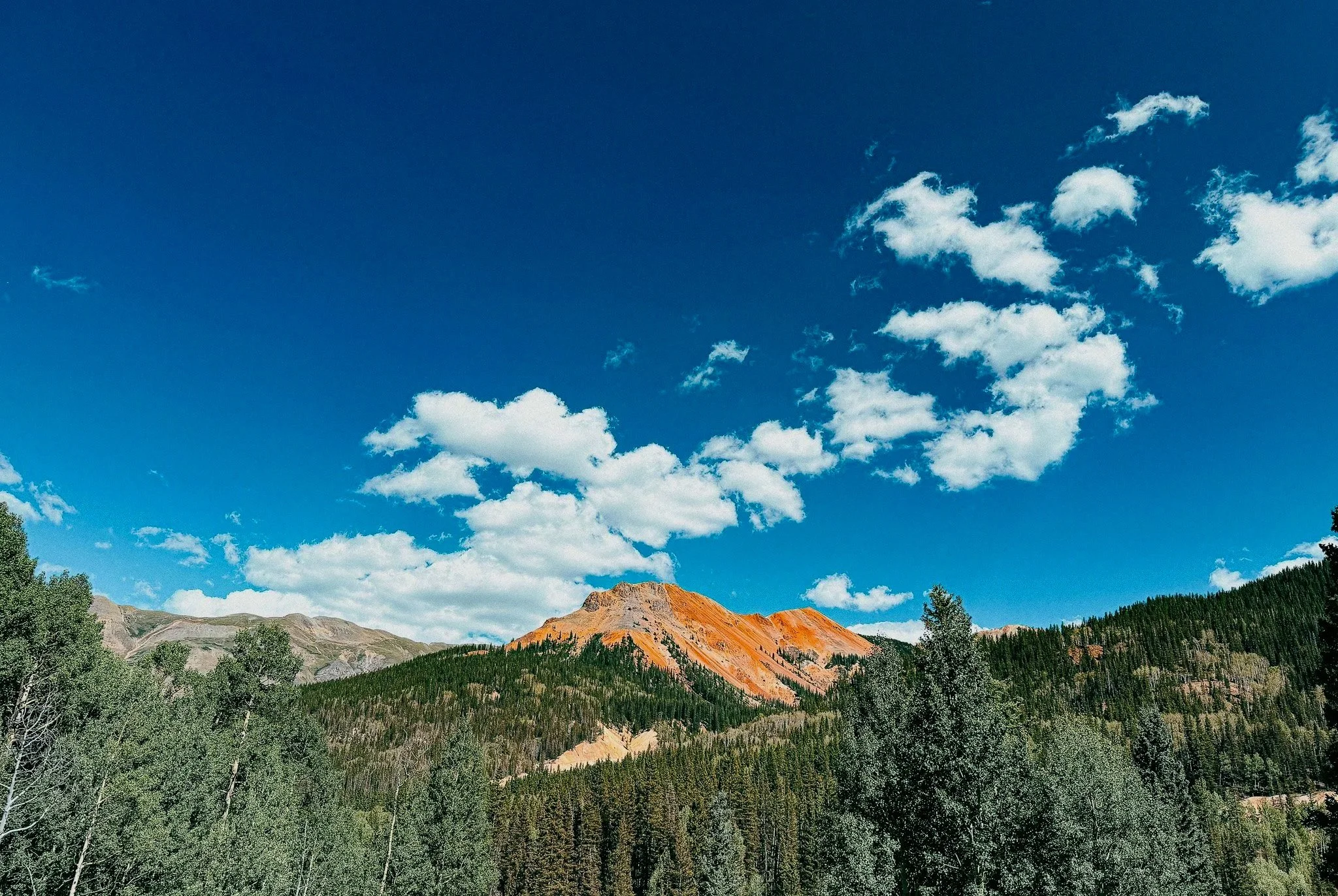
The reds and oranges in the San Juan Mountains are tied to the volcanic and hydrothermal history of this area.
I loved the San Juan Mountains before I knew how they came to be.
I've spent time in plenty of beautiful mountains, but these feel different. They're rugged and colorful, with steep peaks rising from deep valleys, waterfalls cascading down the mountainsides, and old mining roads and structures that seem almost impossible to reach.
The more time I've spent exploring around Ouray, Silverton, Lake City, and Telluride, the more I've wondered about the colors. Especially around Red Mountain Pass, the mountains can go from gray and green to red, orange, and yellow. I wanted to know why.
I've written more about why I love the San Juan Mountains in Colorado, but for this one, I wanted to understand where all that color comes from.
How Volcanoes Shaped the San Juan Mountains
This was something I didn't know when I first started exploring here. A huge amount of what I'm looking at is volcanic.
Beginning around 35 million years ago, volcanoes were erupting across this part of Colorado. It wasn't one volcano or one eruption. Volcanic activity continued for millions of years, including enormous explosive eruptions that spread ash across the region. As some of the magma chambers emptied, the ground above them collapsed and formed huge calderas.
Some of the places I've been exploring are right in the middle of what remains of those old volcanic systems. The western San Juans include the San Juan, Uncompahgre and Silverton calderas, along with other large calderas farther east in the range.
You aren't looking at obvious volcanoes today. Millions of years of erosion changed the landscape, and glaciers later helped carve the valleys and high country into what we see now. They carved deep valleys, cirques and high alpine basins throughout the San Juans, including the kinds of basins where lakes like Ice Lake and the Blue Lakes now sit. Those are both hikes I want to do next spring or summer.
I didn't realize I'd been hiking, biking and driving through the remains of an ancient volcanic landscape.
Why Are the San Juan Mountains Red, Orange and Yellow?
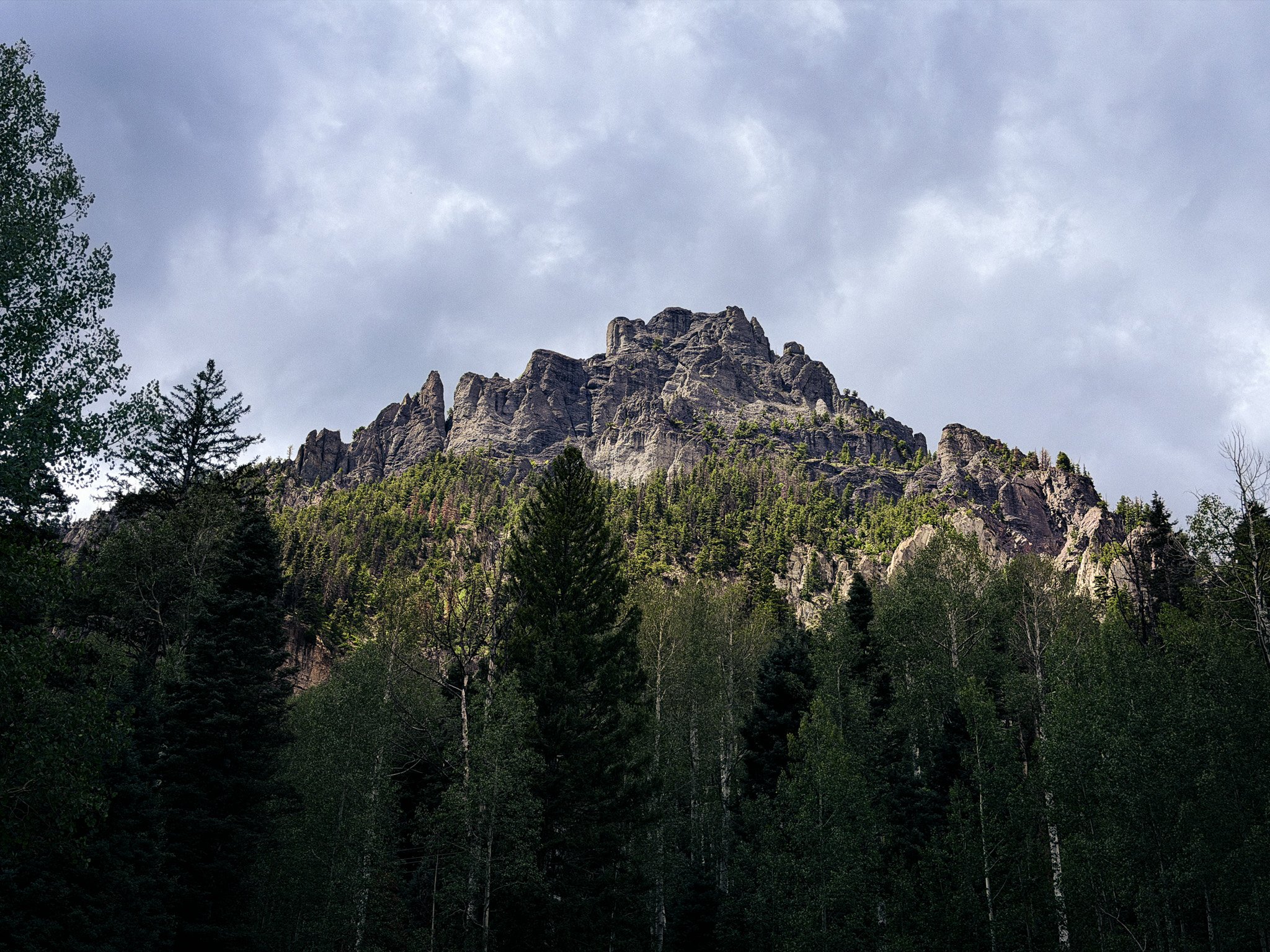
The rugged rock formations are one of the things that make the San Juans feel so different to me.
The colors were one of the first things that stood out to me, especially around Red Mountain Pass. These mountains aren't one color. There are gray cliffs, dark volcanic rock and mountainsides covered in green, but then you get into areas where the rock turns red, orange and yellow.
I notice it driving the Million Dollar Highway between Ouray and Silverton. The mountains around Red Mountain Pass can be incredibly colorful.
Those colors are connected to what happened here millions of years ago.
After the volcanic eruptions, hot fluids moved through cracks in the volcanic rock and changed it. Geologists call this hydrothermal alteration. Around Red Mountain, this process created pyrite and other minerals in the rock. When pyrite near the surface was later exposed to air and water, it oxidized and helped stain the mountains the reds, oranges and yellows you see today.
I knew there had to be a reason for all that color. I just didn't realize it went all the way back to the volcanic history of these mountains.
And there is another connection I didn't know about. The same geology is tied to the mining history you see everywhere around here.
The Colors and Mining History Are Connected
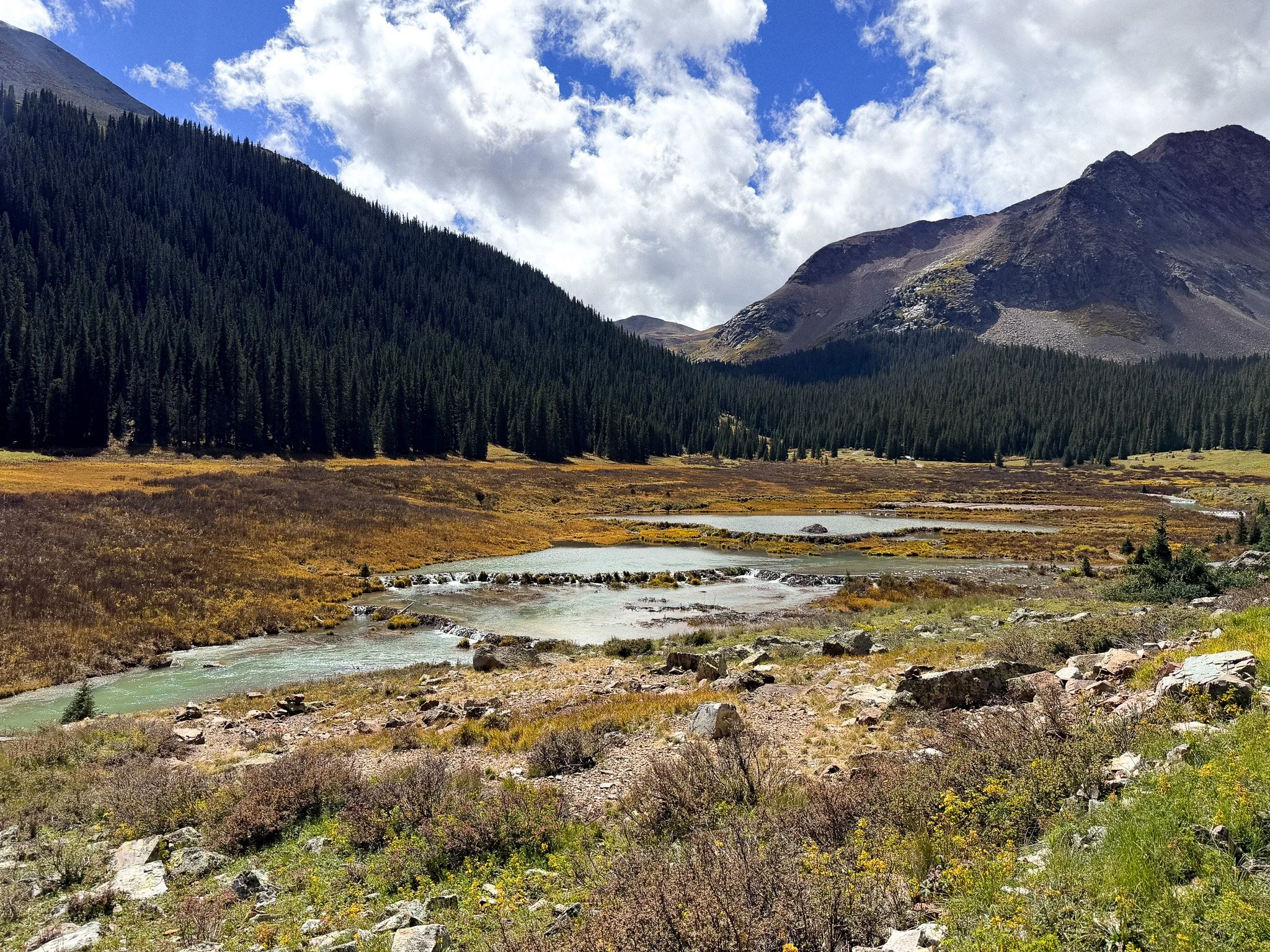
The San Juan high country outside Silverton, where glaciers helped carve the valleys and basins we see today.
Once I understood more about the volcanic history, the mining history made a lot more sense.
The gold, silver and other metals miners came looking for weren't just randomly scattered through these mountains. The volcanic and hydrothermal activity also created and concentrated mineral deposits.
That helps explain why mining became such a big part of this area and why you still see old mines throughout the mountains around Ouray and Silverton.
You can look high onto a mountainside and see an old mine tucked into a place that seems almost impossible to reach. Roads that were once used for mining are now 4x4 trails, and remnants of the mining era are still all over this part of the San Juans.
I've written a separate article about the mining history and old mines along the Million Dollar Highway because there is so much of it between Ouray and Silverton.
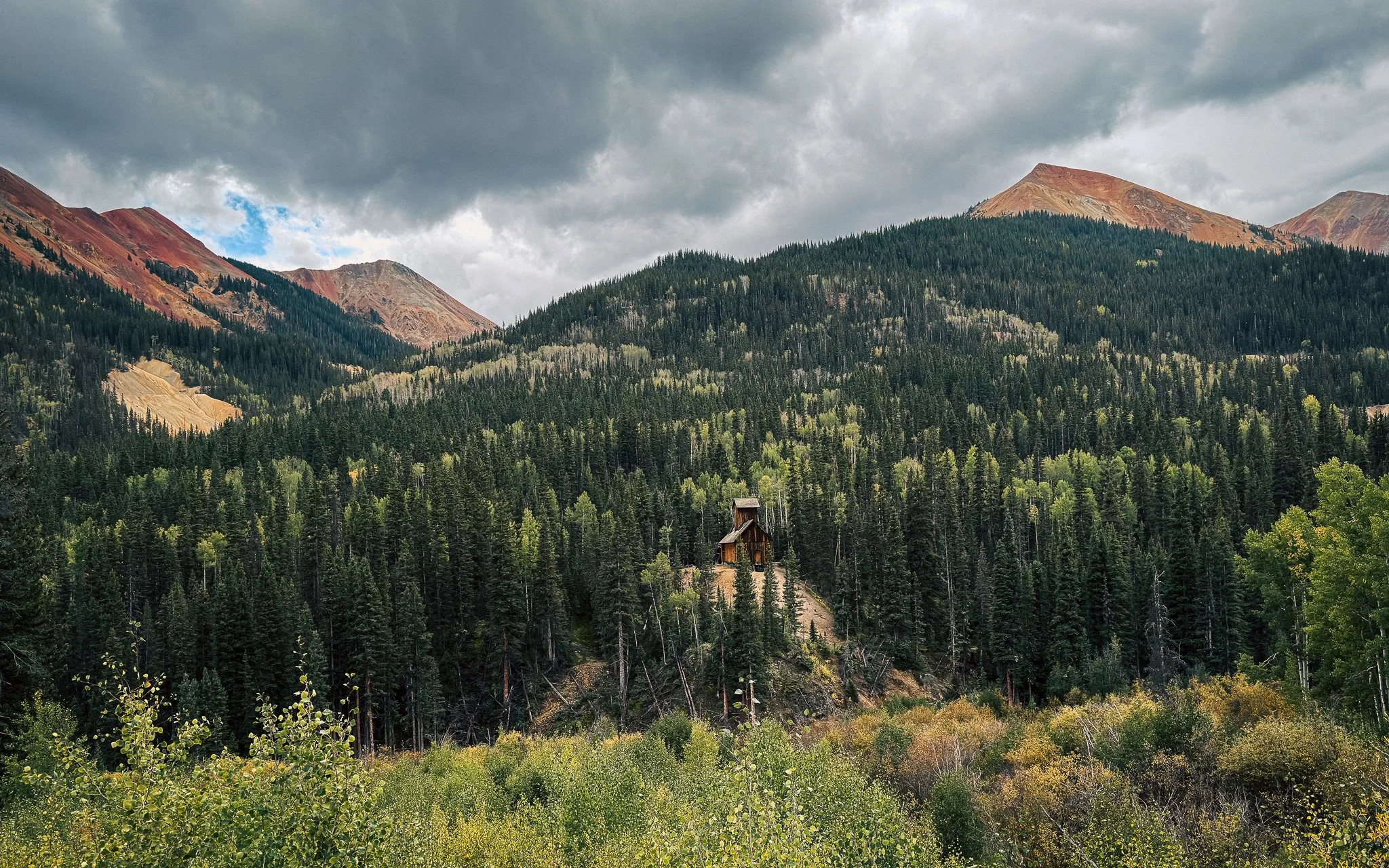
The Colorado Boy Mine tucked into the mountains, with the reds and oranges of the San Juans behind it.
Now when I drive through Red Mountain Pass and see those reds, oranges and yellows, I know a little more about what I'm looking at. I already thought this stretch of the San Juans was beautiful, but understanding how it came to look this way makes me love it even more.
The San Juans have become such a love for me. I just want to stay here and explore every corner of them. And the more I learn about these mountains, the more there is I want to go see.
I'm Michele, and I write Overland Girl, where I share firsthand travel experiences across the American West — from desert landscapes and national parks to small towns layered with history. My work blends movement, place, and the stories that shape them.
Some posts may include affiliate links to products or services I use on the road. If you choose to purchase through those links, I may earn a small commission at no additional cost to you. It helps support continued travel and storytelling. I only link to items I personally use or would use myself.