What’s New for Ski Season 2025–26: Tech Worth Watching
Ski Gear Innovations to Watch
Words by Michele Underwood | Photos courtesy of the brands.
I recently saw a story on Instagram of Atomic’s new ski boots with this surprisingly flexible front that made walking easier. My first thought: yes, that’s great for walking—but how would they ski? They looked fun and less rigid, and I wondered how that kind of design could change the way I ski.
For 2025–26, a few updates stand out across boots, skis, goggles, and safety tech that are worth watching.
Ski Boots 2025: Dual-BOA Tech Goes Mainstream
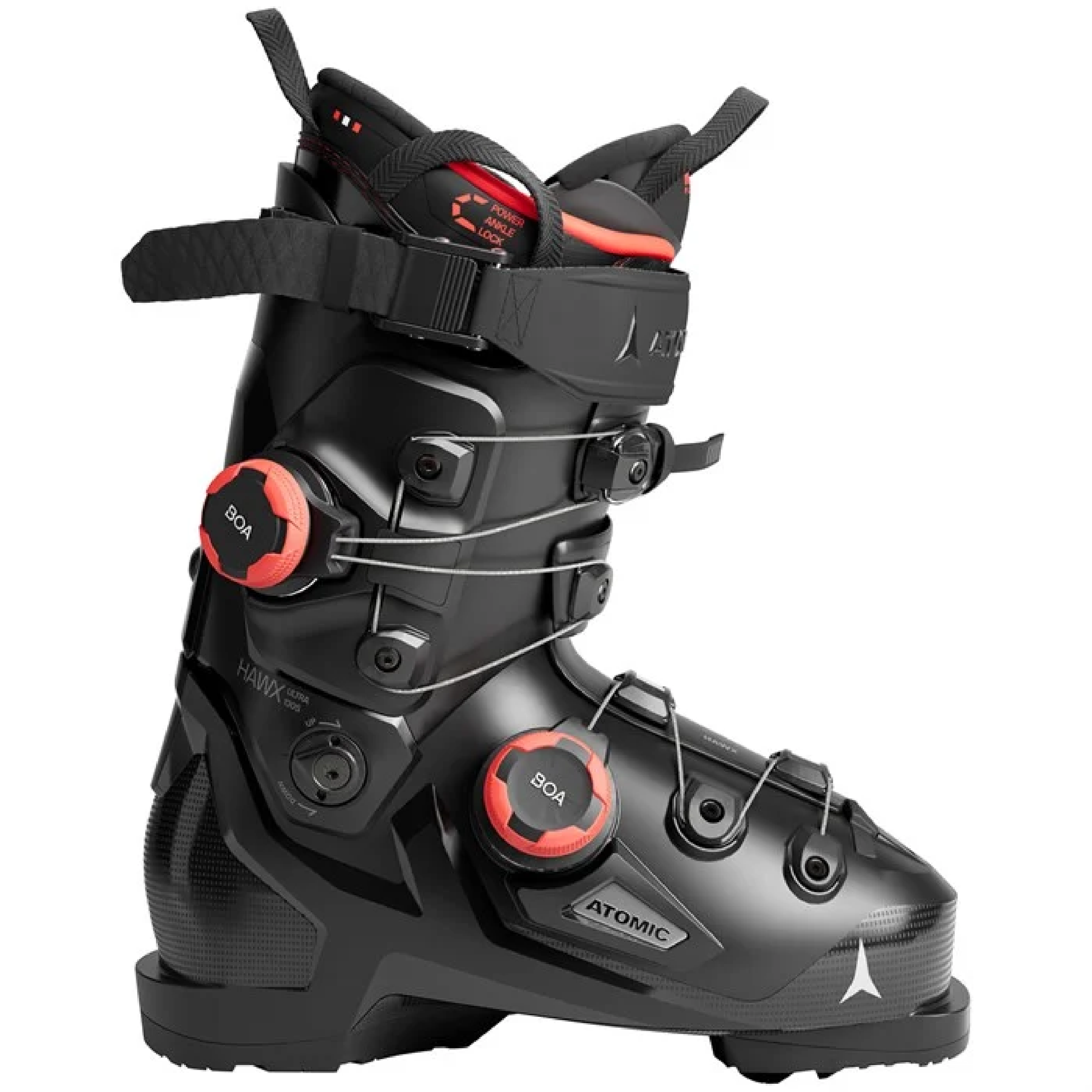
Atomic Hawx Ultra Dual BOA
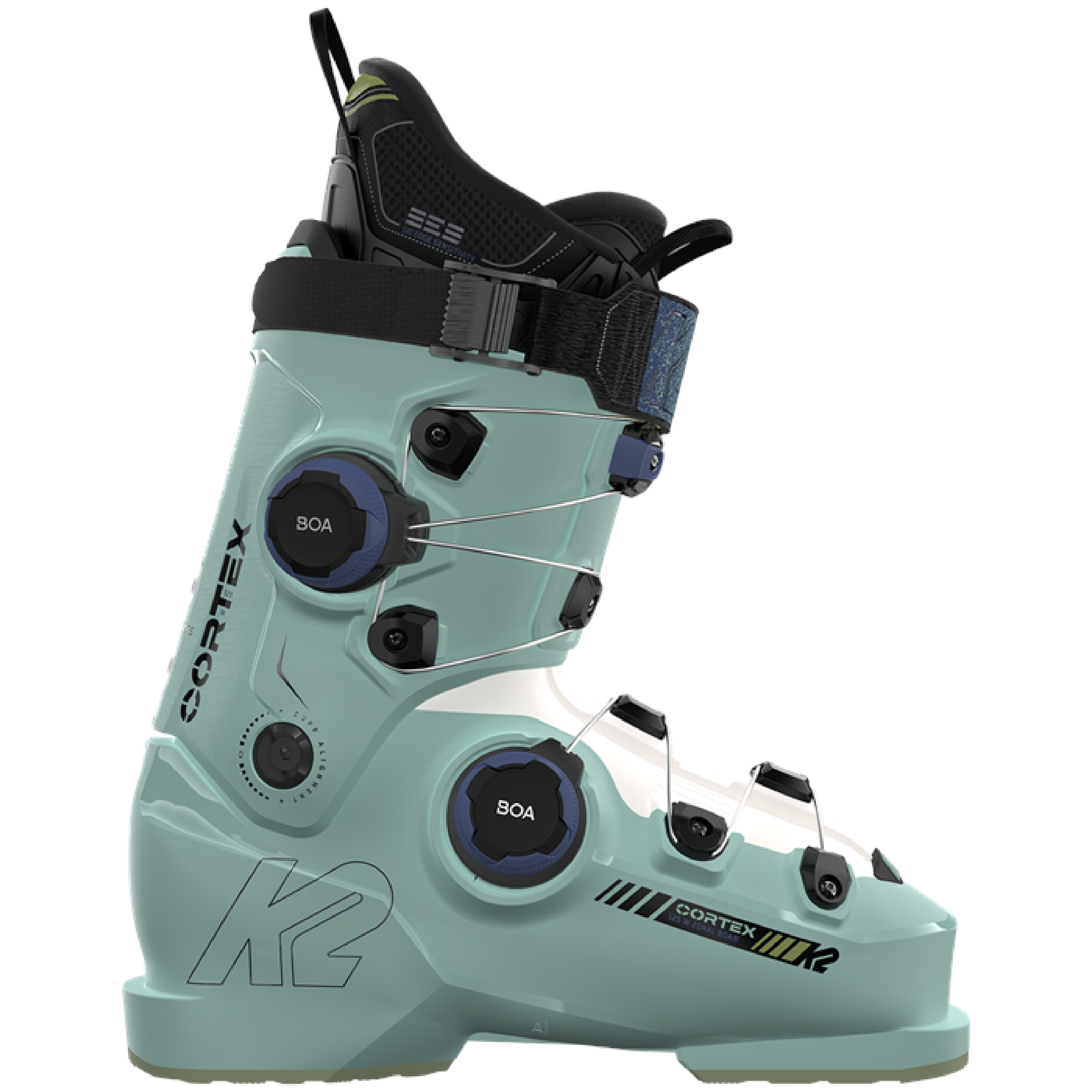
K2 Cortex Dual BOA
This season, more brands are moving past buckles and into dual-dial BOA boots. Instead of one dial, two let skiers fine-tune both the lower shell and upper cuff for even wrap and more control.
Atomic Hawx Ultra Dual BOA is part of the rollout, offering finer fit adjustments with two dials.
Head Kaliber Dual BOA brings a customizable fit across the cuff and shell.
K2 Cortex Dual BOA adds quick, even closure in a progressive flex boot. → See K2 Cortex Dual BOA at EVO
Nordica Speedmachine Dual BOA combines proven comfort with the dual-dial system.
Why it matters: Dual-BOA ski boots 2025 make on-mountain fit adjustments faster and more precisely—helping skiers stay comfortable and in control all day.
Skis + Bindings: Stability Meets Lighter Builds
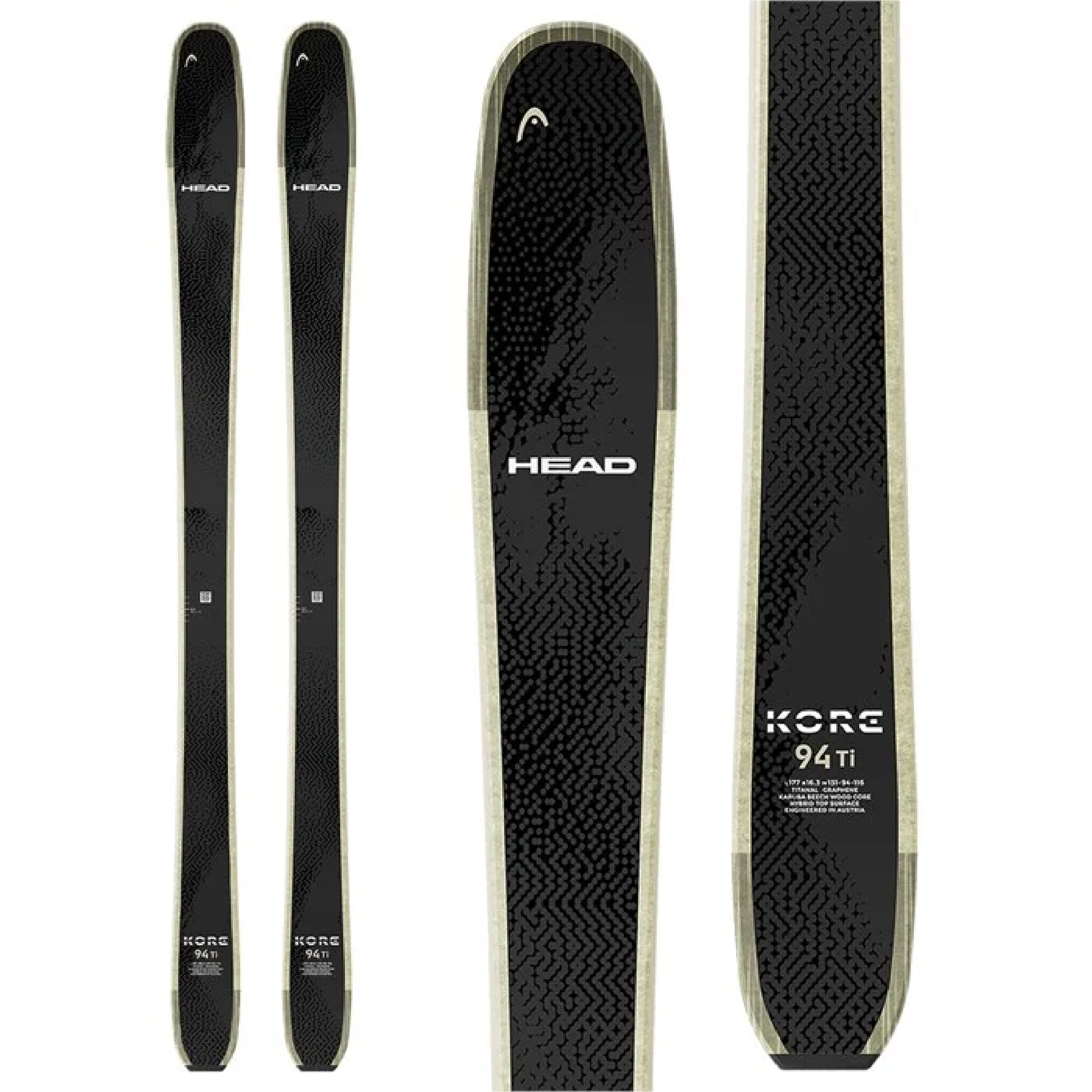
Head Kore Ti
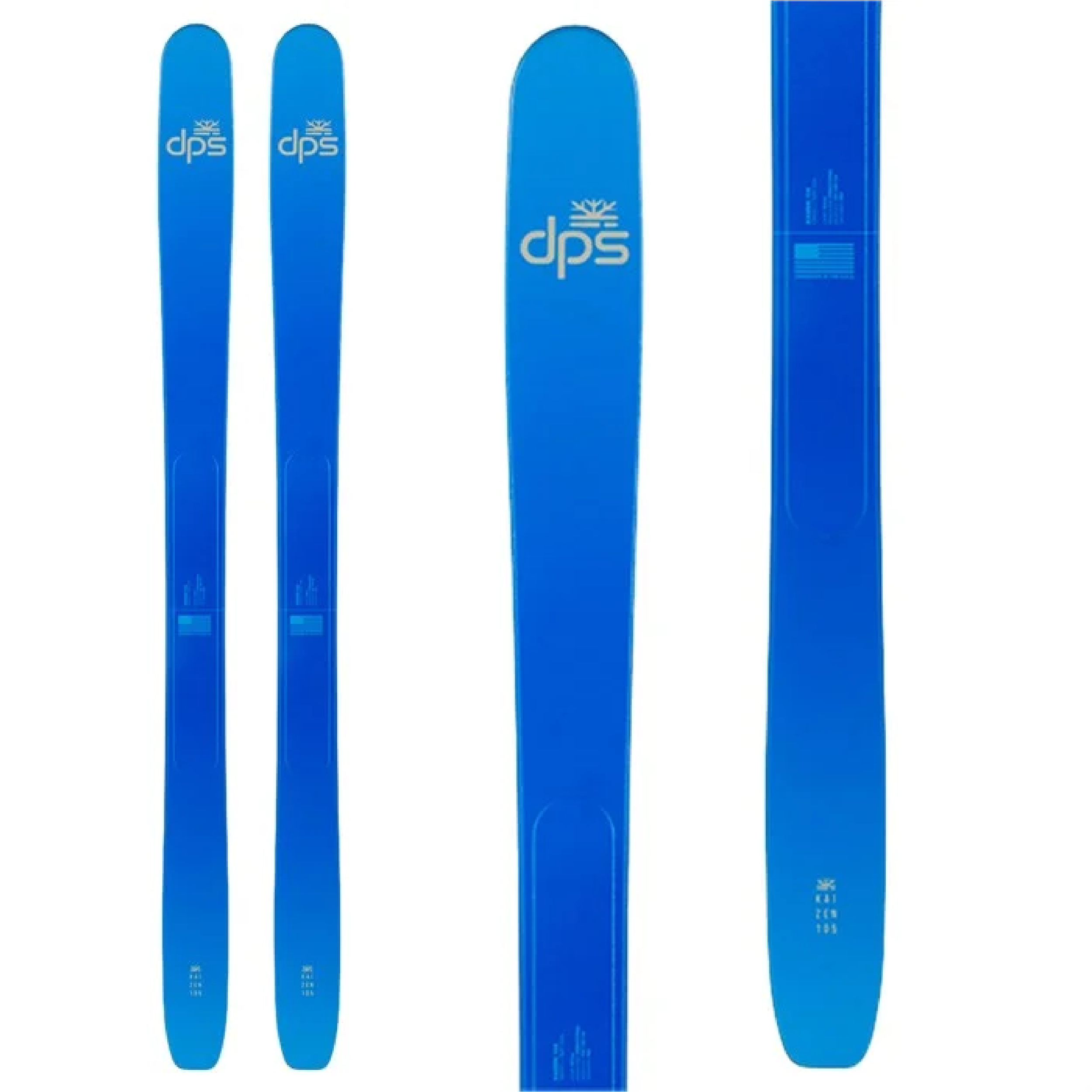
DPS Pisteworks
Several product lines are being refreshed:
Head Kore Ti adds two sheets of titanal for damping and edge grip.
Marker Jester X & Griffon X bindings get a lower stack height and shorter footprint.
DPS Pisteworks focuses on carbon layups for frontside performance.
And yes, the buzzworthy M1 all-aluminum ski is set for limited release in 2025.
Why it matters: New skis 2026 balance lighter builds with stability—better edge hold, less chatter, and materials like titanal and aluminum pushing performance forward.
Goggles: Smarter + Greener Tint Tech
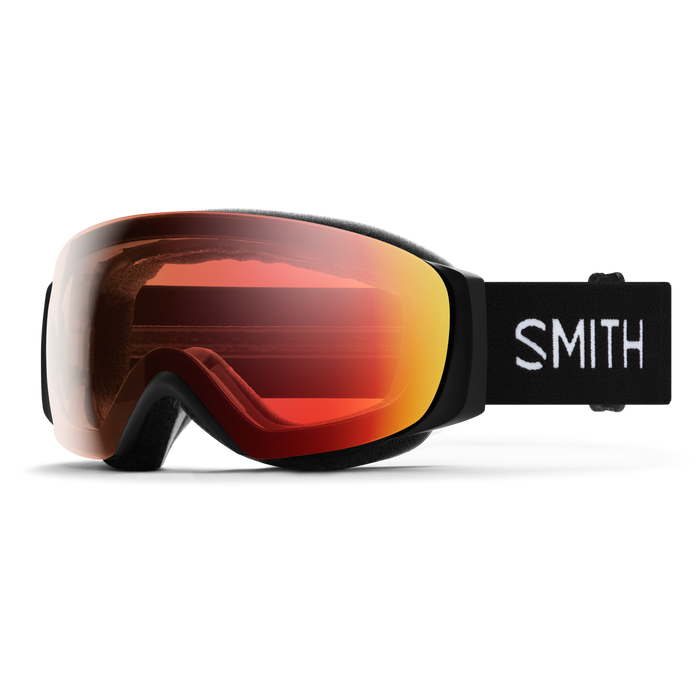
Smith I/O MAG S featuring ChromaPop Pro Photochromic
Photochromic and auto-tint aren’t the only path forward—Dragon is carving its own lane alongside Smith and Head.
Smith ChromaPop Pro Photochromic promises quicker transitions for shifting light.
Head Neves Sunscreen Goggles (solar-powered LCD auto-tint) adjust instantly, requiring no buttons.
Dragon NFX MAG + IR Collection adds Lumalens clarity, magnetic Swiftlock lens swaps, and infrared tints that block 99% of IR heat. Dragon is also rolling out recycled frames, coconut-fiber frame additives, and bamboo straps for sustainability.
Why it matters: The best ski goggles 2025 combine faster tint shifts, IR-blocking clarity, and eco materials—delivering clear vision in changing light and a lighter impact on the planet.
Safety: Beacons
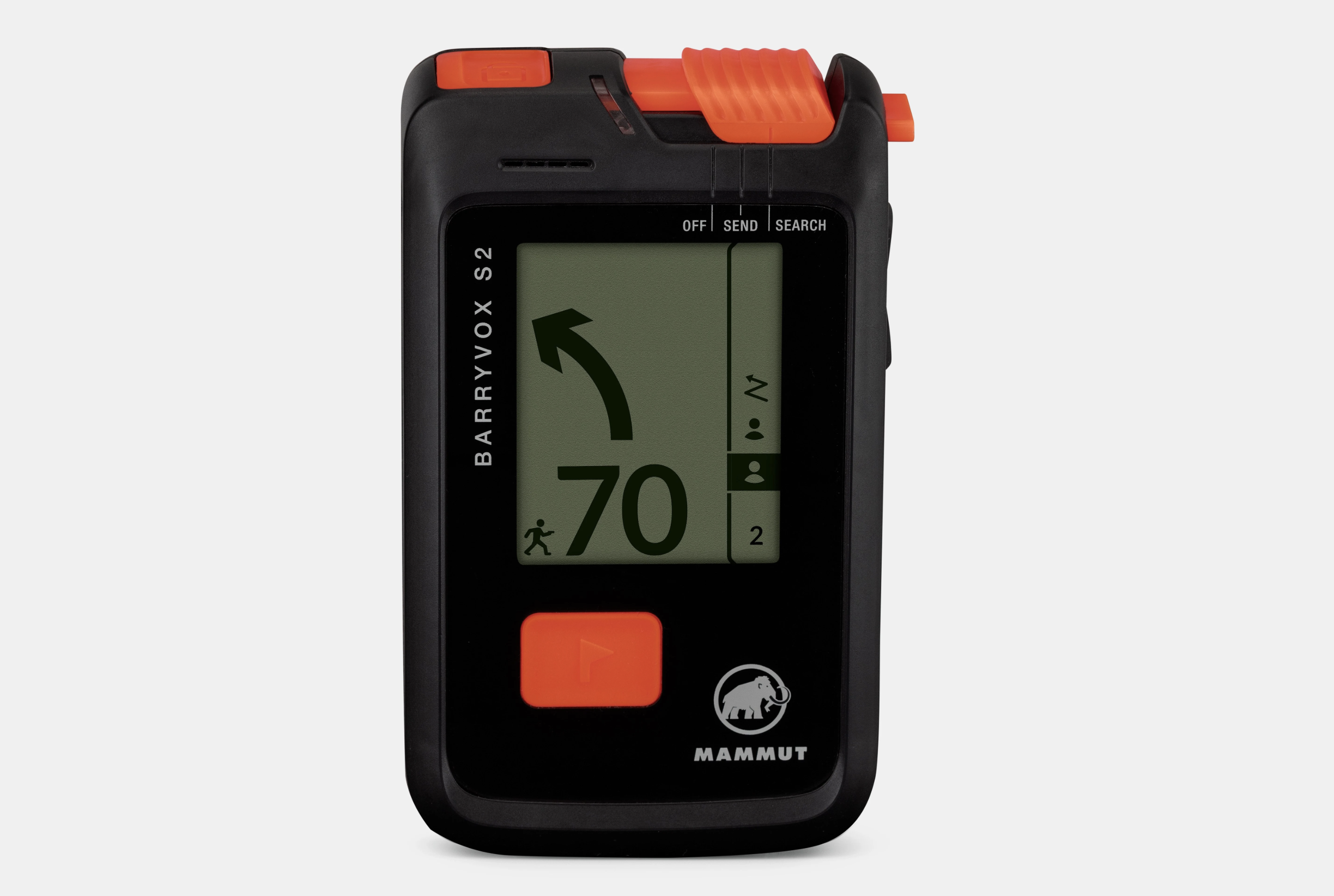
Mammut Barryvox S2
Avalanche transceivers are evolving, too.
Mammut Barryvox S2 adds a longer range and an intuitive interface.
Arva Evo BT makes Bluetooth connectivity part of backcountry safety.
Why it matters: Avalanche beacons 2025 are focused on faster, more reliable signals—helping rescuers locate skiers quicker in emergencies.
Final Take
The 2025–26 ski season is bringing great updates—dual BOA boots that could change how we fit, skis experimenting with aluminum, goggles that tint faster, and beacons with smarter brains. I have my eye on BOA boots since I’m in the market for an upgrade. For goggles, I use the Dragon Mags and love them—the Swiftlock system is the best lens swap I’ve seen. Whether you buy this season or not, these are shifts worth keeping an eye on.
Michele Underwood writes Overland Girl, where she shares gear she uses on real trips—from the Northwoods of Wisconsin to the Ozarks. She values quality and craftsmanship in everything she buys—from outdoor gear to everyday clothes and furniture. Her choices may seem expensive to some, but she believes in buying less and buying better. Longevity matters, both in terms of function and style. Her couch is five years old and still sold at Design Within Reach—that's the kind of timelessness she looks for. Some of the links in this review are affiliate links, which means she may earn a small commission if you buy through them. It doesn’t cost you anything extra, and it helps support her work. She only recommends gear she’d bring herself.