Why Is Snow Peak So Expensive? Here's What You're Paying For
What’s Behind the Price
Words by Michele Underwood | Photos by Snow Peak
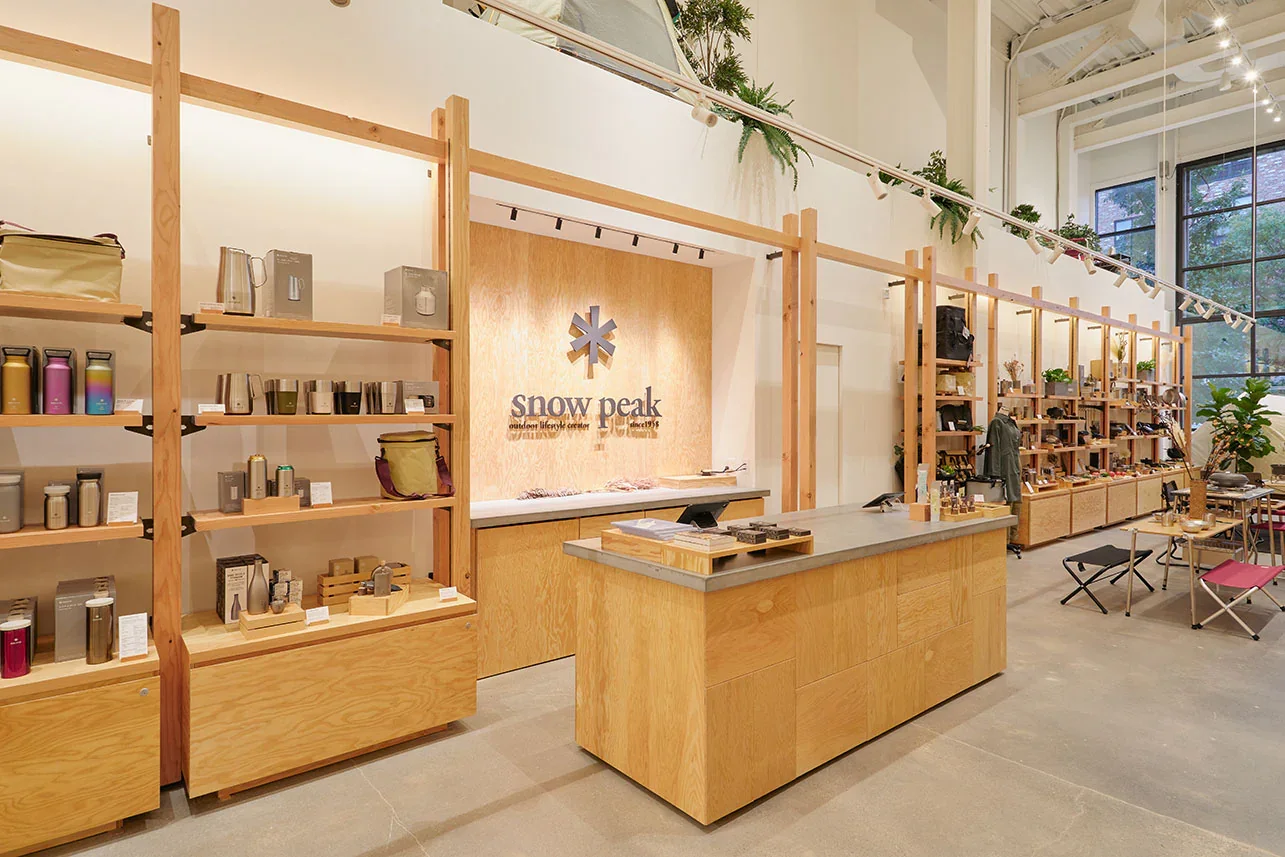
Inside a Snow Peak store—clean, minimal, and designed more like a boutique than a typical outdoor shop.
Snow Peak is one of those brands that people notice right away for the price.
You can walk into a store and find titanium mugs, camp stoves, and tents for a lot less. On paper, some of it looks similar. Same materials. Same basic function. So the question comes up quickly—why is Snow Peak so much more expensive?
While I was traveling through the West—Utah and Colorado—I stopped into a lot of smaller gear shops. Some carried a few pieces from Snow Peak, and others didn’t carry them at all.
I asked why.
The answer was pretty consistent. Most shop owners said their customers wouldn’t buy it at that price point, especially when there are less expensive options sitting right next to it. One owner told me the product itself is great—it just doesn’t move in that market.
That stuck with me, because it says a lot about where Snow Peak fits. It’s not really about whether the gear is good. It comes down to what people are willing to spend on camping gear and what matters to them in a brand.
From there, the answer isn’t just one thing.
A lot of camping gear is built around utility first—lighter, cheaper, faster, easier to replace. Snow Peak takes a different approach. The gear is designed to be used over time, not swapped out every season, and that shows up in how it’s made and how it feels in use.
Part of that comes from where the brand started. Snow Peak began as a mountaineering company in Japan, working with local metal craftsmen in a region known for precision metalwork. That background still shows up in the products today. The designs are simple, but they’ve been refined over time through use, not just updated for trends.
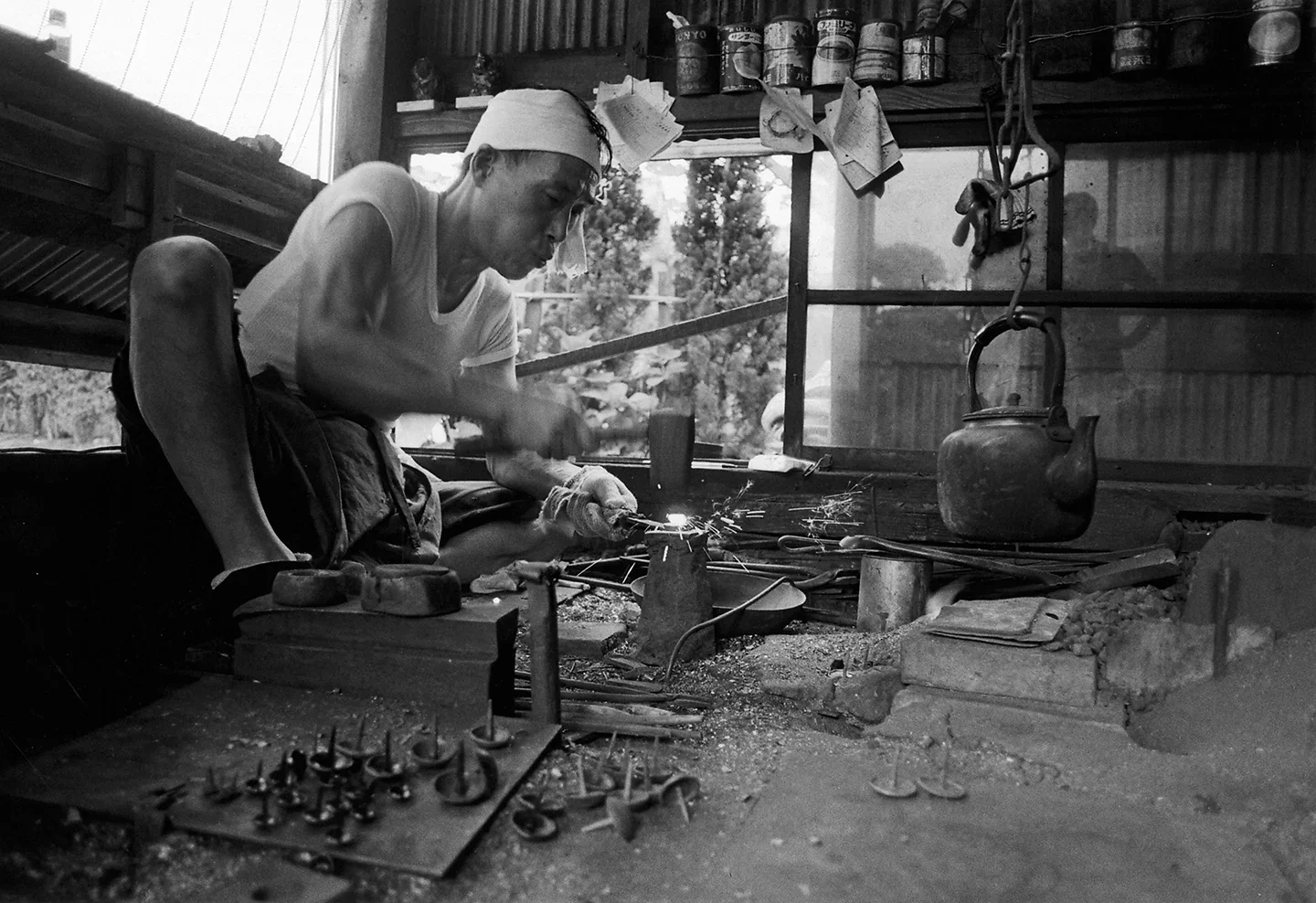
Traditional metalworking in Japan—craftsmanship that still influences how Snow Peak gear is made today.
You can find titanium mugs at places like REI for a lot less, and on the surface they can look pretty similar.
That’s where it gets a little misleading.
A lot of Snow Peak titanium gear is made in Japan, with a level of craftsmanship that’s closer to metalworking than mass production. That shows up in the finish, the weight, and how the pieces hold up over time.
If you want a closer look at how this gear actually performs, you can read my article: Gear review: Snow Peak’s titanium collection for camping.
The price difference isn’t just about titanium. It’s in how the piece is made and how it feels in use. The way it sits in your hand, how it packs, and how it fits in with the rest of your setup all play a role.
It’s subtle at first. But the more you use it, the more you start to notice the difference.
There’s also an appreciation for Japanese craftsmanship that comes with Snow Peak. While not every product is made in Japan, that design approach and attention to detail carries through the entire lineup. It shows up in the precision, the consistency, and how everything feels connected.
There’s also a certain aesthetic to Snow Peak that people who care about design tend to notice. The clean lines, the materials, and the muted colors all feel intentional. It doesn’t look like typical camping gear—and that’s part of the point.
For people who value that, it becomes easier to justify spending more on something they’ll use often and want to keep around.
There’s also a level of consistency across the brand that you don’t always see in outdoor gear. The tableware, the lighting, the tents, and the accessories all feel connected. It’s less about individual products and more about how everything works together as a setup.
Then there’s the part that’s harder to measure. Snow Peak isn’t just designing gear for function. It’s built around a slower style of camping—cooking at camp, sitting outside longer, and creating a space you actually want to spend time in.
That doesn’t mean it’s necessary. For a lot of people, it won’t be.
If the goal is to get outside with the lightest or most affordable gear, there are better options. And they’ll work just fine.
But for people who care about design, durability, and how their setup feels over time, Snow Peak starts to make more sense. The price isn’t just tied to materials. It’s tied to how the gear is made, how long it lasts, and how it fits into the experience of being outside.
That’s really the difference.

Limited seasonal Snow Peak titanium mug—simple design, subtle color, and the kind of detail that stands out over time.
Is It Worth It?
That depends on how you camp.
If camping is mostly about moving fast, packing light, or keeping costs down, Snow Peak probably isn't the best fit. There are plenty of brands that do those things better for less.
But if camping is something you spend time in—cooking, sitting, slowing down, and building out a setup you actually enjoy being in—the value shifts.
Snow Peak isn’t trying to be the most affordable option. It’s built for people who want gear that lasts, feels considered, and becomes part of their routine instead of something they replace.
That doesn’t mean everything they make is worth buying. It just means the pieces that fit that approach tend to hold their place once you start using them.
Final Thoughts
Snow Peak is expensive. That part is easy to see.
What takes a little longer to understand is where that price comes from. It’s not just the materials or the brand name. It’s the design, the consistency, the craftsmanship, and the way the gear is meant to be used over time.
At the end of the day, it’s similar to how people think about higher-end brands in other categories.
There are always less expensive options that do the job. But some brands focus more on design, materials, and how something is made—and that’s reflected in the price.
Snow Peak sits in that space for camping gear.
For some people, that won’t matter.
For others, it’s exactly the reason they keep coming back to it.
Frequently Asked Questions
Why is Snow Peak so expensive?
Snow Peak focuses on premium materials, thoughtful design, and craftsmanship. Many of its products are made in Japan and built to last for years.
Is Snow Peak worth the money?
I think it depends on what you value. If you're looking for the cheapest camping gear, probably not. If you appreciate quality and products you'll use for years, I think it's worth the investment.
Is all Snow Peak gear made in Japan?
No. Some products are still made in Japan, while others are manufactured in different countries. It depends on the product.
Why do people like Snow Peak?
For many people, it's more than the gear itself. Snow Peak products are thoughtfully designed, well made, and created to work together as a complete camping system.
More Snow Peak Gear and Reviews
Michele Underwood writes Overland Girl, where she shares the gear she uses on real trips—from the Northwoods of Wisconsin to desert rides in the West. She values quality and craftsmanship and believes in buying less, but buying better. The gear she recommends is gear she uses herself.Some links on Overland Girl may be affiliate links. If you purchase through them, Michele may earn a small commission at no extra cost to you.