The History of Crested Butte: How a Mining Town Became a Mountain Bike Destination
How a remote Colorado coal town became one of America's most iconic mountain towns.
Words by Michele Underwood | Photos by Michele & Crested Butte Mountain Heritage Museum
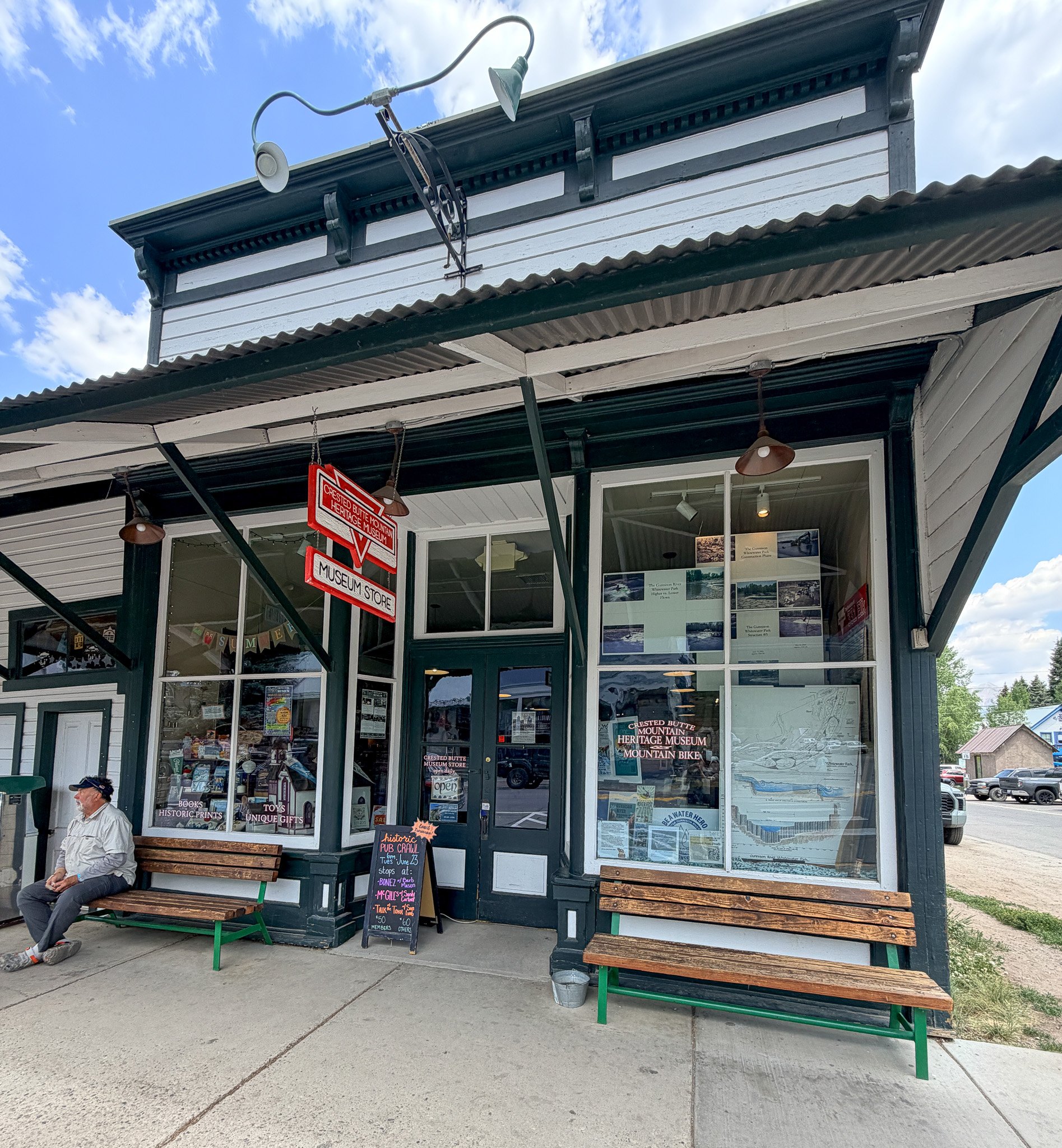
The Crested Butte Mountain Heritage Museum shares the town's history, from coal mining to skiing and mountain biking.
I've always been a history buff, so while I was in Crested Butte, I made time to visit the Crested Butte Mountain Heritage Museum.
I wanted to understand how this small mountain town became what it is today. From coal mining and railroads to skiing and the birth of mountain biking, the town has gone through several chapters over the past 150 years.
Its story starts long before any of them.
The Ute People
Long before Crested Butte became a mining town or a mountain biking destination, this valley was home to the Ute people.
The Utes lived throughout much of present-day Colorado and moved with the seasons. During the summer, bands of Ute people came into what is now the Gunnison Valley to hunt elk and deer and gather plants and other natural resources. They lived off the land, taking only what they needed before moving to other seasonal camps.
For generations, the valley provided everything they needed.
That changed in the mid-1800s as explorers, surveyors, and eventually miners arrived. As settlements expanded across western Colorado, the Ute people were forced from their ancestral lands, making way for the mining towns that would soon follow.
Coal Built Crested Butte
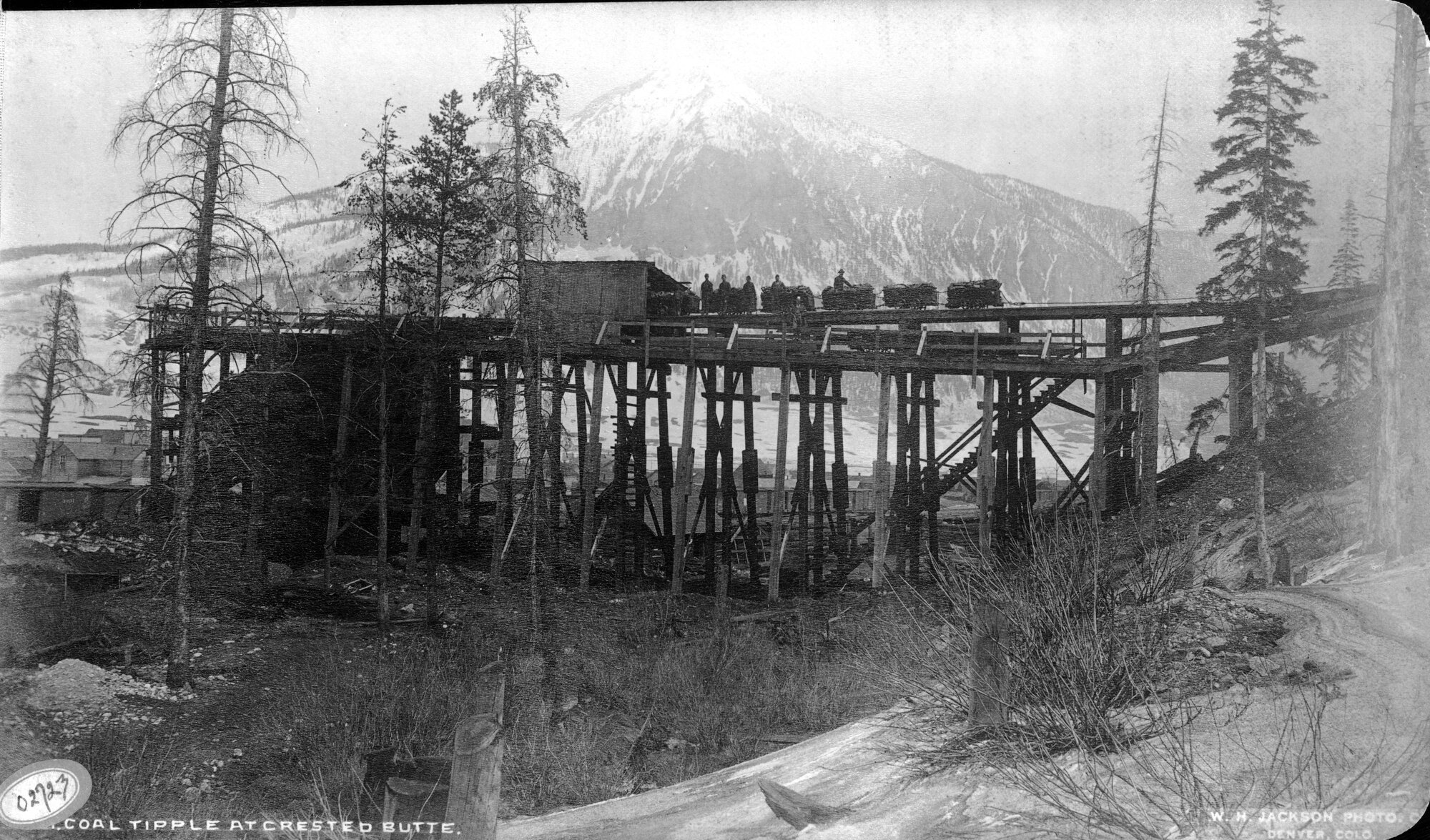
The Crested Butte coal tipple, where coal was loaded onto railroad cars before leaving the valley. Historic photo by W. H. Jackson, courtesy of the Crested Butte Mountain Heritage Museum.
Crested Butte wasn't founded because of skiing or mountain biking.
It was founded because of coal.
In the late 1870s, Howard F. Smith recognized the area's rich coal deposits and established Crested Butte as a supply town for the nearby silver mining camps. The town was officially incorporated in 1880, and when the Denver & Rio Grande Railroad arrived the following year, coal mining quickly became the backbone of the local economy.
The railroad changed everything.
It made it possible to move coal out of the valley, bringing jobs, businesses, and new residents to town. Crested Butte grew into a busy mining community with hotels, saloons, churches, stores, and homes. Immigrants from Wales, Scotland, Ireland, Germany, Italy, Greece, and other parts of Europe came here to work in the mines, helping shape the town's identity.
Coal kept Crested Butte alive while many nearby mining towns disappeared after the silver boom ended. Without coal, there likely wouldn't be a Crested Butte to visit today.
Although the trains are long gone, you can still find reminders of that history. While riding Coal Creek Trail, I came across remnants of the old railroad, and you can also see pieces of the former rail corridor near the RV dump station on Butte Avenue.
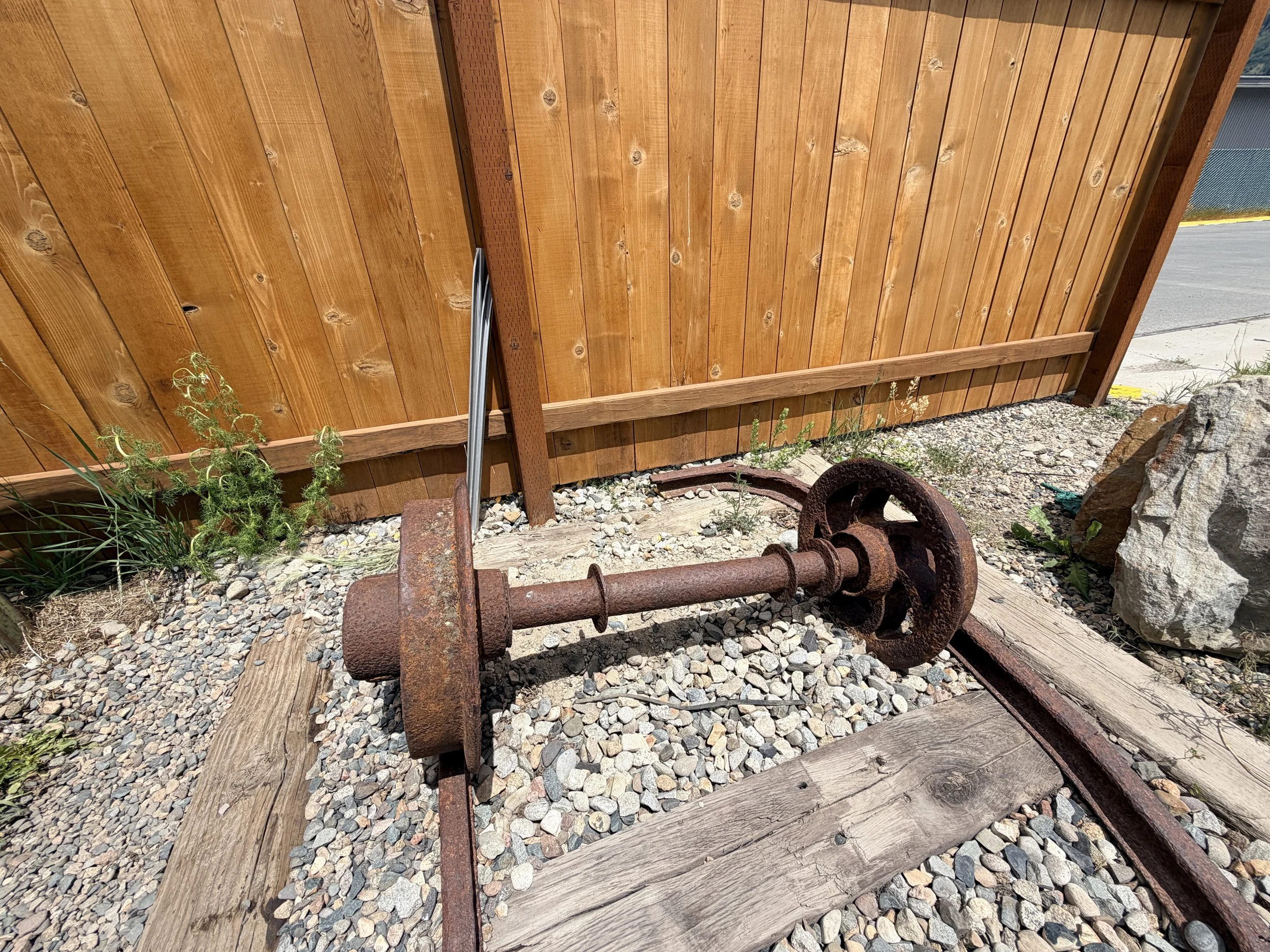
A preserved mine cart axle and wheels near the RV dump station in Crested Butte, reflecting the town's coal mining heritage.
It's a reminder that long before mountain bikes rolled through this valley, trains hauled coal out of it.
Life in a Colorado Mining Town
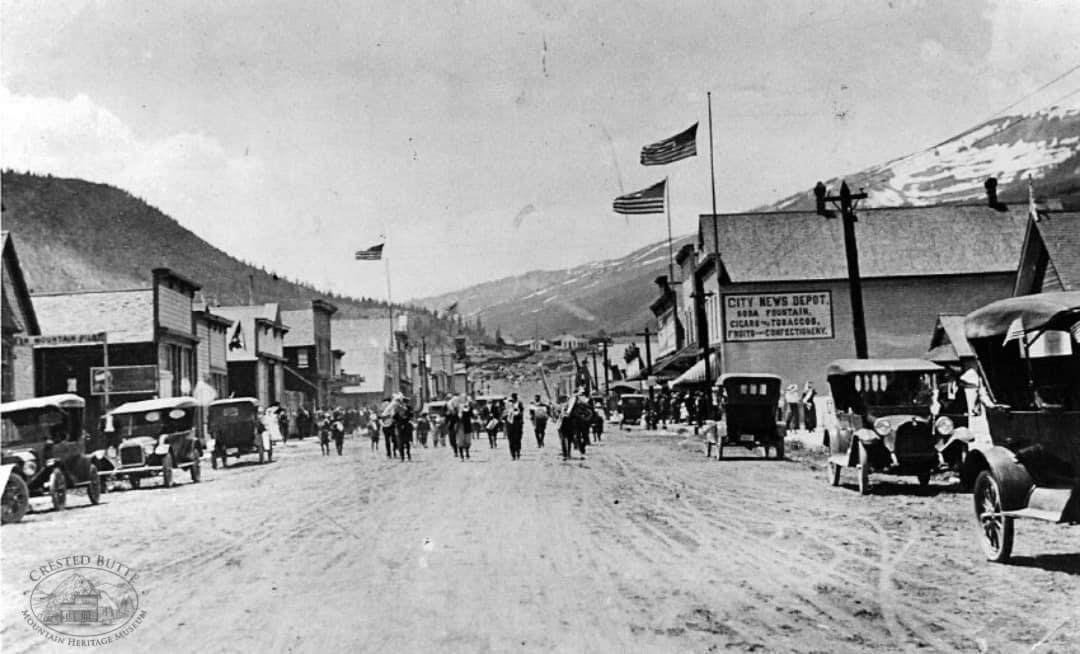
Downtown Crested Butte during its mining days. Many of the historic buildings along Elk Avenue are still standing today. Photo courtesy of the Crested Butte Mountain Heritage Museum.
By the late 1800s, Crested Butte had grown into a busy coal mining town.
Miners worked long hours underground in difficult and dangerous conditions. Coal powered homes, railroads, and industries across Colorado, making the work essential even though it came with significant risks.
The town quickly became home to people from around the world. Immigrants from countries including Wales, Scotland, Ireland, Italy, Germany, and Greece settled in Crested Butte to work in the mines and build a new life for their families.
As the population grew, so did the town. Hotels, saloons, churches, schools, businesses, and homes lined the streets. Many of the historic buildings you see walking through downtown today date back to those early mining years.
While walking along Elk Avenue, it's easy to forget these buildings were once part of a working mining town. Today they house coffee shops, restaurants, and local businesses, but more than a century ago they served miners and their families.
That history is one of the things I enjoyed most about visiting Crested Butte. The town hasn't erased its past. It has found a way to preserve it while continuing to evolve.
When the Coal Mines Closed
Coal mining remained the foundation of Crested Butte for decades, but by the mid-1900s the industry began to decline. Demand changed, mines closed, and jobs disappeared.
Like many mining towns across the West, Crested Butte faced an uncertain future.
People moved away in search of work, businesses closed, and the town's population shrank dramatically. At one point, it looked as though Crested Butte might become another Colorado ghost town.
Ironically, the lack of growth helped preserve the town. Many of the buildings downtown survived because there wasn't enough money to tear them down and replace them. Today, those same buildings are one of the reasons Crested Butte feels so authentic.
How Skiing Saved Crested Butte
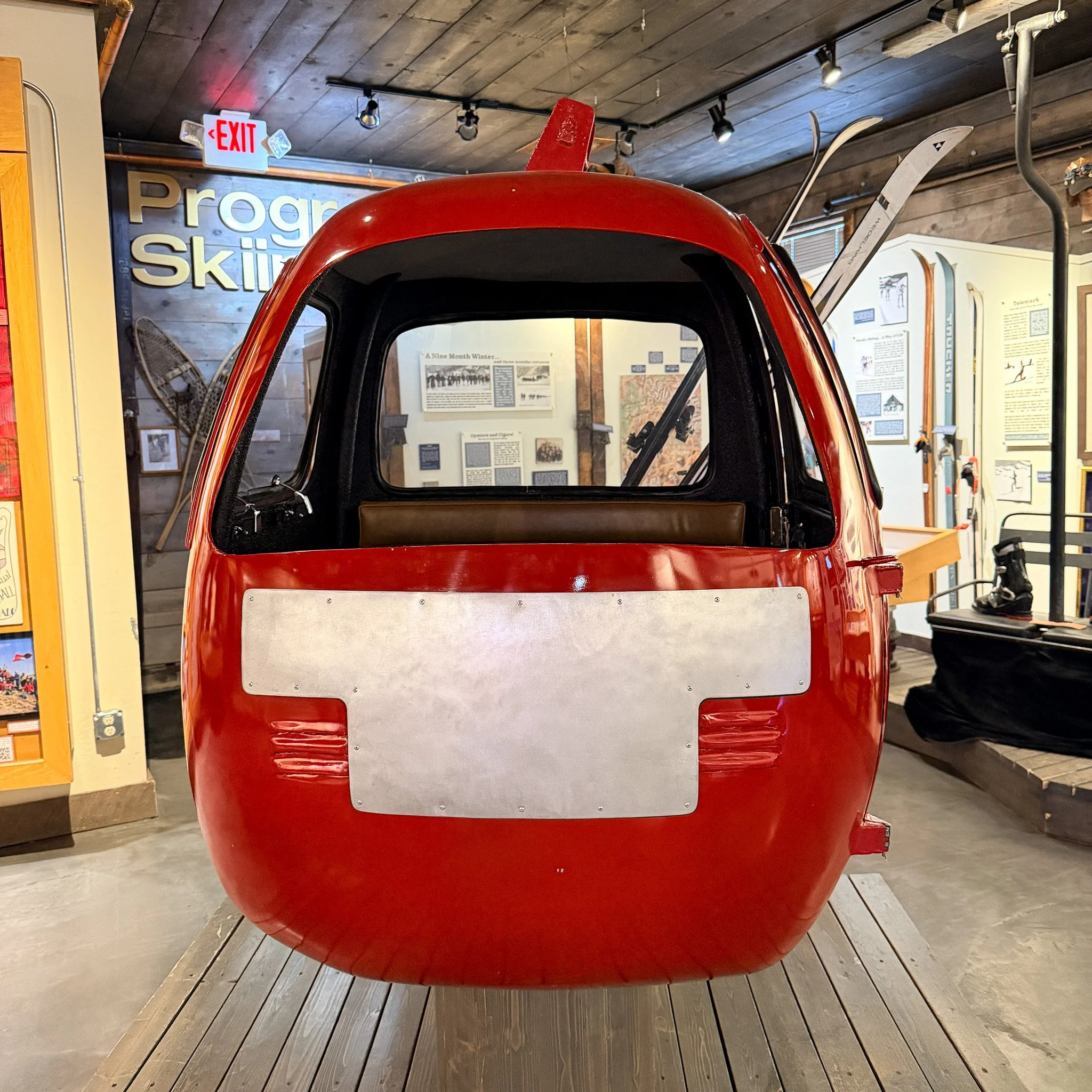
An original Silver Queen Gondola cabin on display at the Crested Butte Mountain Heritage Museum.
Just when it seemed the town's future was uncertain, a new opportunity arrived.
In 1960, Crested Butte opened its ski area, creating jobs and bringing visitors back to the valley. What had once been a mining town began transforming into a recreation destination.
Unlike many ski towns that grew rapidly, Crested Butte remained relatively small. The mountains were still the main attraction, but the town never lost its historic character.
Skiing gave Crested Butte a second chapter.
How Mountain Biking Started in Crested Butte
Skiing gave Crested Butte a second chapter.
Mountain biking gave it another.
In the 1970s, a group of local riders known as the Grubstake Gang began exploring the old mining roads surrounding Crested Butte on modified bikes. What started as a way to have fun in the mountains helped shape a new sport.
Those early rides eventually led to the Pearl Pass Tour, one of the first organized mountain bike events in the country, and helped establish Crested Butte as one of the places where mountain biking began.
Today, those old mining roads have grown into one of the best trail systems in the country. Riders can leave directly from downtown, connect to miles of singletrack, or take the free bus to access higher-elevation trails.
When I finally rode here, it felt pretty cool knowing I was riding in the same mountains where the Grubstake Gang helped shape the future of mountain biking.
Why Crested Butte Still Feels Different Today
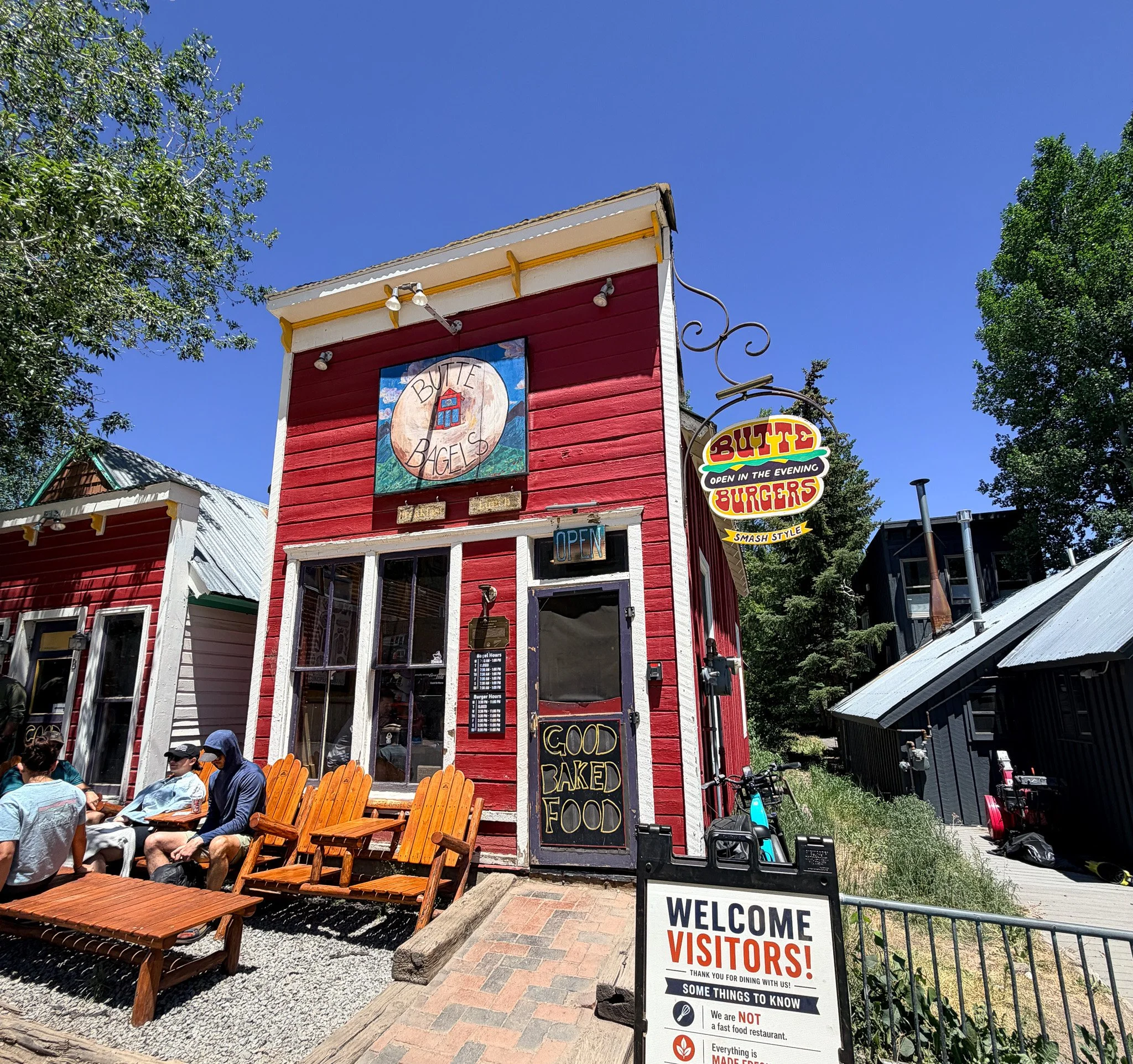
Butte Bagels has been serving breakfast in downtown Crested Butte since 1977 and has become one of my favorite stops during my visits.
After spending a week here, I kept asking myself why Crested Butte felt different from so many other mountain towns I'd visited.
Part of it is the history.
Part of it is the people.
But I think it's also because the town has resisted becoming something it isn't.
Downtown is still filled with locally owned businesses instead of rows of national retailers. The historic buildings are still part of everyday life instead of being replaced with modern architecture. Even after becoming a world-class destination for skiing and mountain biking, Crested Butte still feels like a community first.
That was one of the things I appreciated most during my visit.
A Town Worth Preserving
Before visiting Crested Butte, I knew it had great mountain biking.
I didn't realize how much history was behind the town.
Learning about the Ute people, the coal miners, the railroad, the ski industry, and the birth of mountain biking gave me a much greater appreciation for everything I experienced during my week there.
History isn't just found inside the museum.
It's in the buildings along Elk Avenue, the old railroad grade that has become a bike trail, and the mountains surrounding the valley.
Understanding that history made me appreciate Crested Butte even more.
It's easy to see why the people who live here work so hard to preserve it.
Michele Underwood writes Overland Girl, where she shares firsthand travel experiences across the American West — from desert landscapes and national parks to small towns layered with history. Her work blends movement, place, and the stories that shape them.Some posts may include affiliate links to products or services she uses on the road. If you choose to purchase through those links, she may earn a small commission at no additional cost to you. It helps support continued travel and storytelling. She only links to items she personally uses or would use herself.Historic photographs courtesy of the Crested Butte Mountain Heritage Museum. Used with appreciation for preserving Crested Butte's history.