Garmin Venu 4 Review: Why I Switched From Apple Watch
The smartwatch I wear for hiking, mountain biking, and everything in between.
Words by Michele Underwood | Photos by Michele and REI
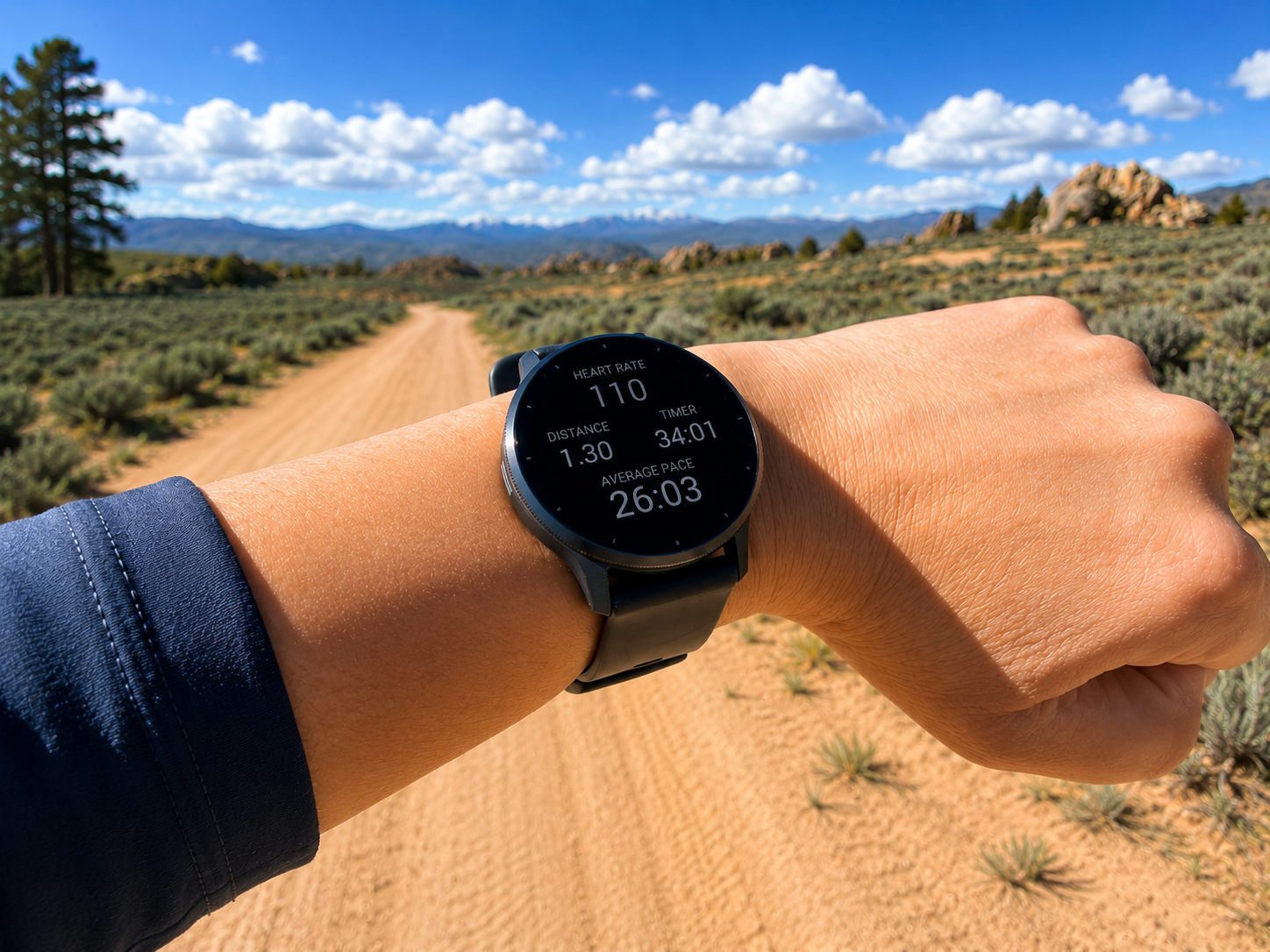
Tracking a hike with the Garmin Venu 4 in Hartman Rocks, Colorado
I don’t like gear I have to think about.
Maybe the only exception is when my GoPro is recording.
If I’m outside—on a hike or on a mountain bike ride—I want things to just work. When I’m done, my data should be there.
Garmin has never missed that.
Why I Switched from Apple Watch to Garmin
I had an Apple Watch before this. I still have it—I just don’t wear it.
It wasn’t that it didn’t work. It was always something I had to manage. Charging it every day, or worse, having it die when I needed it. I also never fully trusted it during certain activities. I was always a little worried about breaking it.
I had an older Garmin before that, but it was bulky, so I bounced between the two. Then my mom accidentally threw that watch away, and I was left with just the Apple Watch.
I didn’t want to rely on it. I track everything—rides, runs, hikes—and it all goes straight to Strava. I needed something I could trust to just work.
So I started looking again.
I went to REI and tried a few Garmin watches. The Garmin Venu 4 stood out right away. It has a cleaner design and sits on your wrist more like an Apple Watch, with a more modern, less bulky feel, while still being built like a Garmin for tracking.
On rides and hikes, the data is there. I’m not second-guessing it or checking it constantly. It just works.
Now I wear it without thinking about it. Even with mountain bike rides and hikes, I’m charging it every few days instead of every day.
It replaced both watches.
What You Should Know
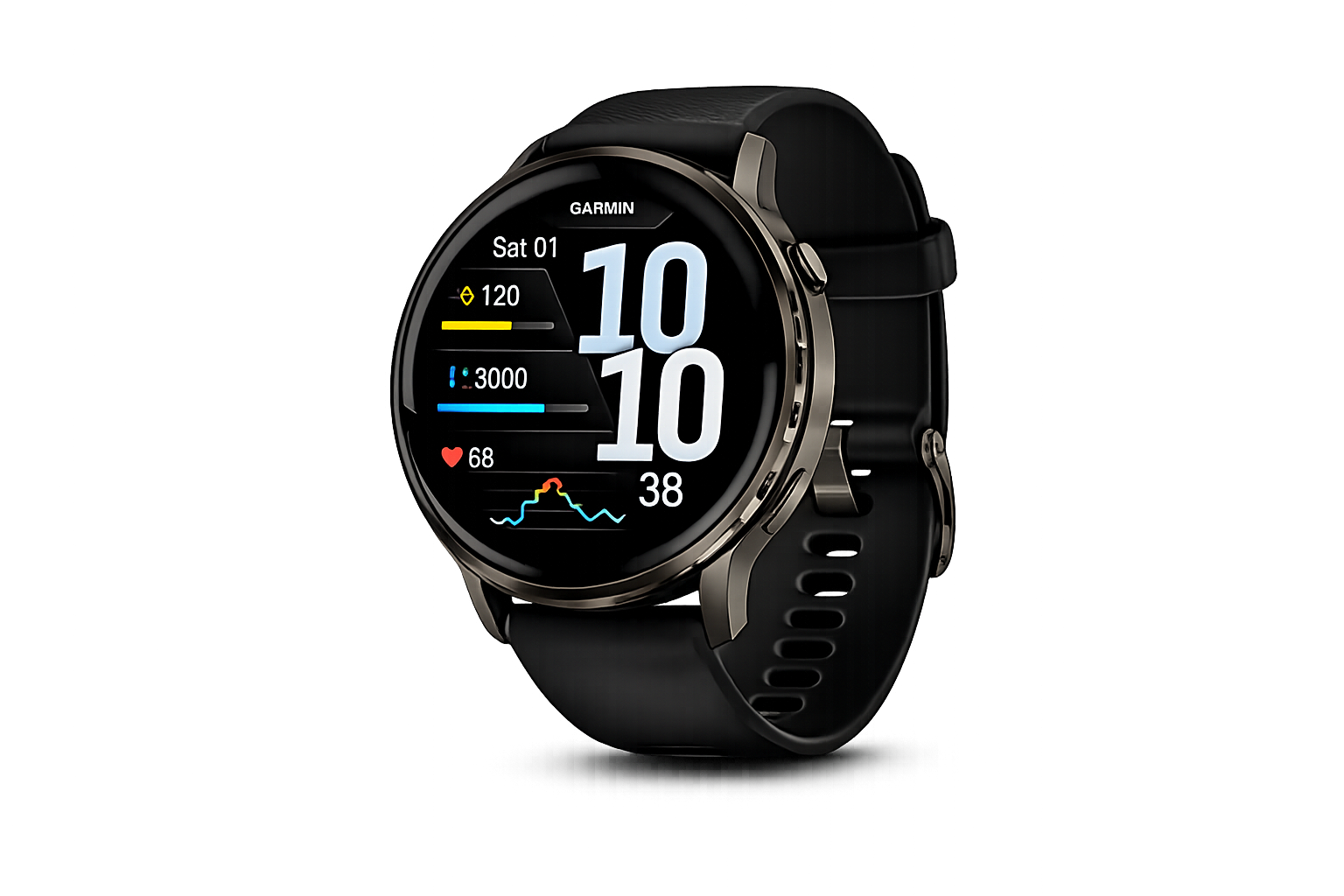
Garmin Venu 4 with a clean, modern design built for tracking and everyday wear
The Garmin Venu 4 covers a lot, but it does it without feeling complicated.
It tracks pretty much everything I do—mountain biking, hiking, running, and strength training—without needing to switch between different setups throughout the day. There are over 80 activity profiles built in, so whether it’s a ride, a run, or lifting, it’s already there.
Battery life is one of the biggest differences. I’m charging it every few days, even with rides and hikes mixed in. Garmin rates it up to about 10–12 days depending on size and usage, which is why it doesn’t feel like something you have to manage.
The GPS is multi-band, which means it locks in better when you’re moving through different terrain—something you notice more on trails than you do on a road.
On the health side, it tracks:
heart rate
sleep
stress
energy levels (Body Battery)
overall health trends
That’s all running in the background, so when you finish a ride or a hike, everything is already there.
The display is bright and easy to read outside, and the watch itself is built with a metal bezel and durable materials, so it doesn’t feel fragile when you’re using it the way it’s meant to be used.
There are also a few things you don’t think about until you use them—like the built-in flashlight, which is surprisingly useful early morning or late at camp.
It’s a smartwatch, but it’s clearly built around tracking first.
Final Take
I didn’t switch to the Garmin Venu 4 because I needed more features, I switched because I wanted something I didn’t have to think about. I wanted a watch I could trust to track my rides, runs, and hikes without having to manage it, without having to charge it every day, and without having to wonder if it was going to die halfway through something. That’s what this does, and it’s why it’s the one I keep wearing.
Take a closer look at the watch I use day to day.
Michele Underwood writes Overland Girl, where she shares the gear she uses on real trips—from the Northwoods of Wisconsin to desert rides in the West. She values quality and craftsmanship and believes in buying less, but buying better. The gear she recommends is gear she uses herself.Some links on Overland Girl may be affiliate links. If you purchase through them, Michele may earn a small commission at no extra cost to you.