The California company behind some of the outdoor industry's most familiar hydration systems.
Words by Michele Underwood | Photos couresy of HydraPak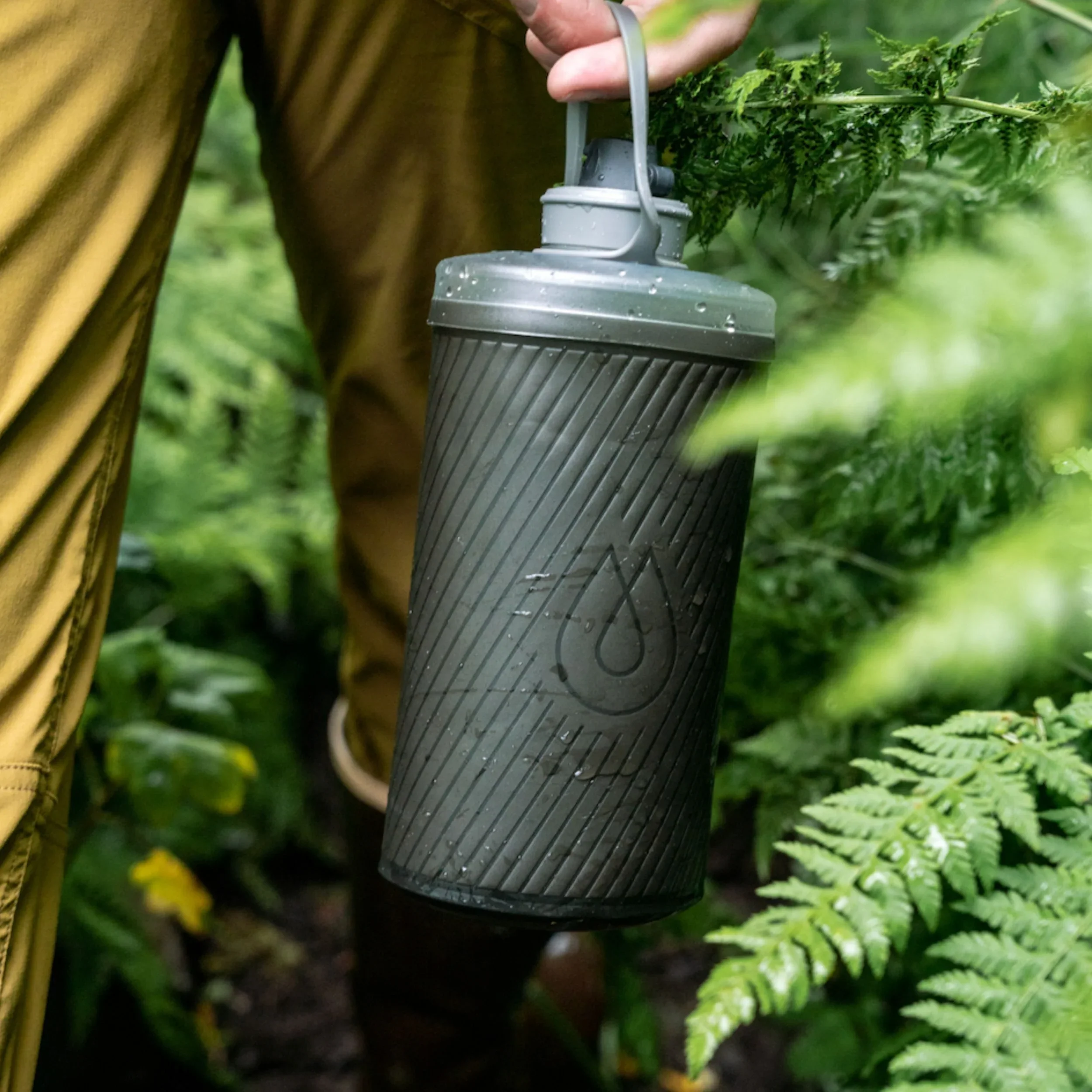
HydraPak Flux on the trail.I discovered HydraPak while traveling in Colorado, and what first caught my attention was its collapsible water bottle. I loved the idea of a bottle that gets smaller as you drink from it. Instead of carrying an empty bottle that takes up just as much room as a full one, you can flatten it down and tuck it away.
I ended up with the green HydraPak Flux 1.5L, and it's such a clever design. For someone who's constantly thinking about how much gear fits into a hiking pack or the storage space in my van, it made a lot of sense to me.
But when I started learning more about HydraPak, I found a much bigger story behind that collapsible bottle. There's a good chance you've already used something HydraPak makes without even knowing it.
The Company Behind HydraPak
Founded in Northern California in 2001, HydraPak has spent more than twenty years developing hydration equipment for athletes and outdoor enthusiasts. The company is headquartered in Oakland, California, and describes itself as the world's number one original equipment manufacturer of hydration reservoirs and SoftFlasks.
That means HydraPak isn't just making products under its own name. It's also the company behind hydration systems used by some of the biggest brands in the outdoor industry, including Salomon, Osprey, Deuter, Katadyn, and USWE.
What makes these partnerships stand out is that HydraPak isn't just supplying an existing bottle or reservoir and putting another company's logo on it. The teams collaborate on design, materials, and testing to develop products specifically for the equipment they're making.
HydraPak's relationship with Salomon goes back to 2011, when the companies began developing SoftFlasks for trail running. These flexible bottles could fit into running vests and compress as water was consumed, offering runners an alternative to carrying rigid bottles.
More recently, HydraPak worked with Osprey on its WingStay hydration system. The companies developed a SoftFlask and supportive structure designed to reduce the bouncing and movement that can happen when a flexible bottle gets emptier inside a running vest.
I had no idea HydraPak was involved in so much of the hydration equipment we see across the outdoor industry. You could own an Osprey pack or a Salomon running vest and already be using HydraPak technology without ever seeing the company's name.
Why HydraPak's Design Stands Out
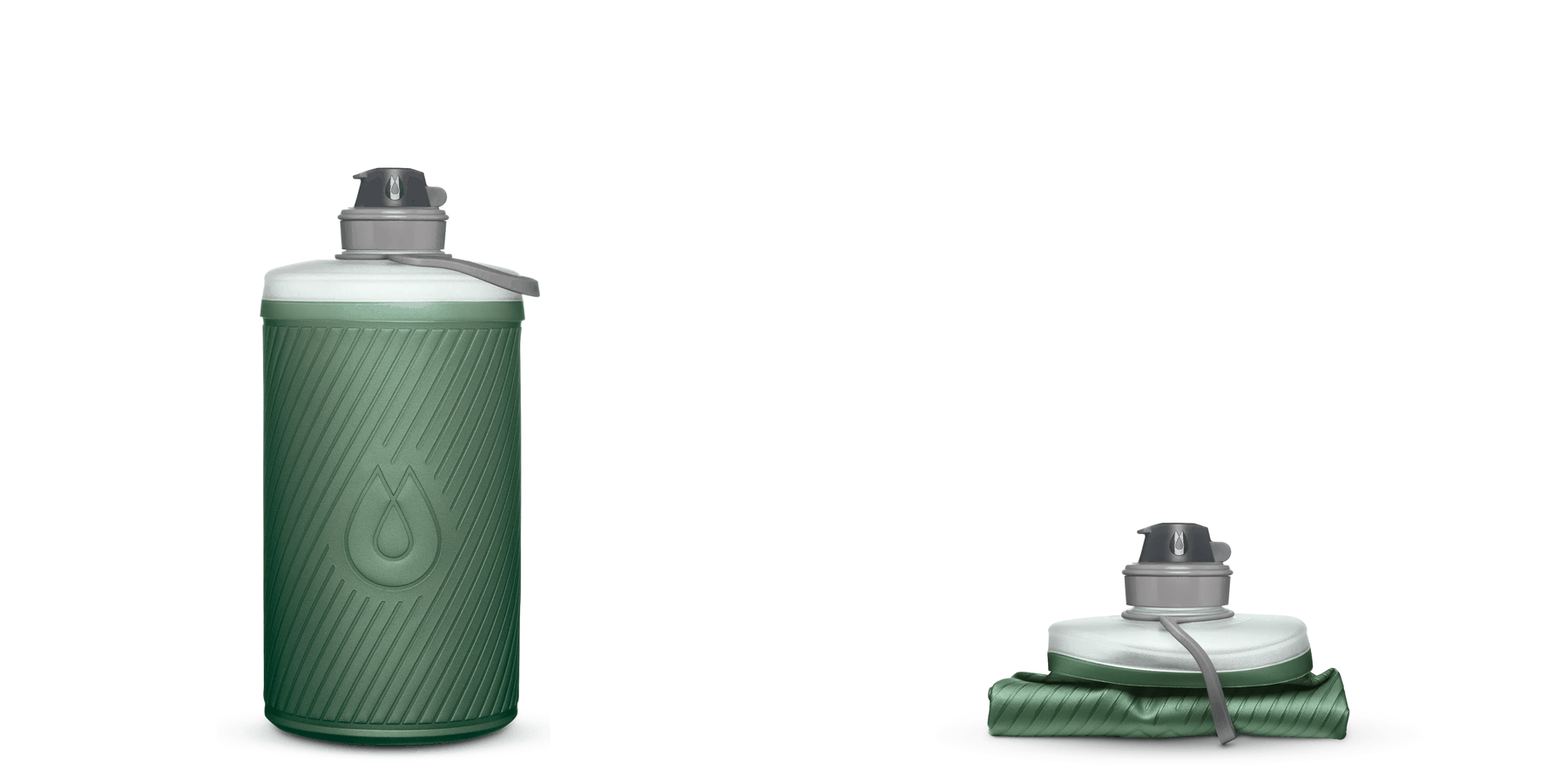
HydraPak Flux 1.5L, full and collapsed.My Flux 1.5L is a good example of why HydraPak's design appealed to me in the first place. It has the familiar shape of a traditional water bottle and can stand upright when filled, but as you drink, the flexible construction allows it to compress. When it's empty, you can flatten it down for storage.
That's what makes it so useful for traveling in the van. I don't need another rigid bottle taking up space when I'm not using it, and I like that the Flux can be tucked away rather than adding to the pile of gear I'm already carrying.
HydraPak also makes the Stow, a lightweight flexible bottle that rolls up when empty. I could see that being useful for skiing or hiking when you want to carry extra water without bringing along another bulky bottle.
Then there are the SoftFlasks, designed for running and other activities where the way a bottle fits against your body can matter just as much as how much water it holds.
HydraPak uses flexible thermoplastic polyurethane, or TPU, in many of these products. The material allows the bottles to bend, compress, and conform to the space around them while remaining durable enough for outdoor use.
What stands out to me is that HydraPak isn't designing one bottle and expecting it to suit every activity. It's thinking about the different ways people carry water and developing products around those needs.
More Than Water Bottles
HydraPak's collection goes well beyond collapsible bottles. The company makes hydration reservoirs for backpacks, soft flasks for running, cycling bottles, water storage containers for camping, and filtration equipment for hiking and backcountry travel.
It also makes the RECON, a rigid bottle introduced in 2020 with 50% certified recycled plastic in both the bottle and cap. So while flexible hydration systems are a big part of HydraPak's identity, the company hasn't limited itself to that one approach.
HydraPak also has a Colorado connection.
In 2018, HydraPak acquired Polar Bottle, a company founded in Boulder, Colorado, in 1994 and known for its insulated cycling bottles. In 2024, HydraPak retired the Polar Bottle brand name and brought the collection under its own identity, updating the designs, caps, and materials.
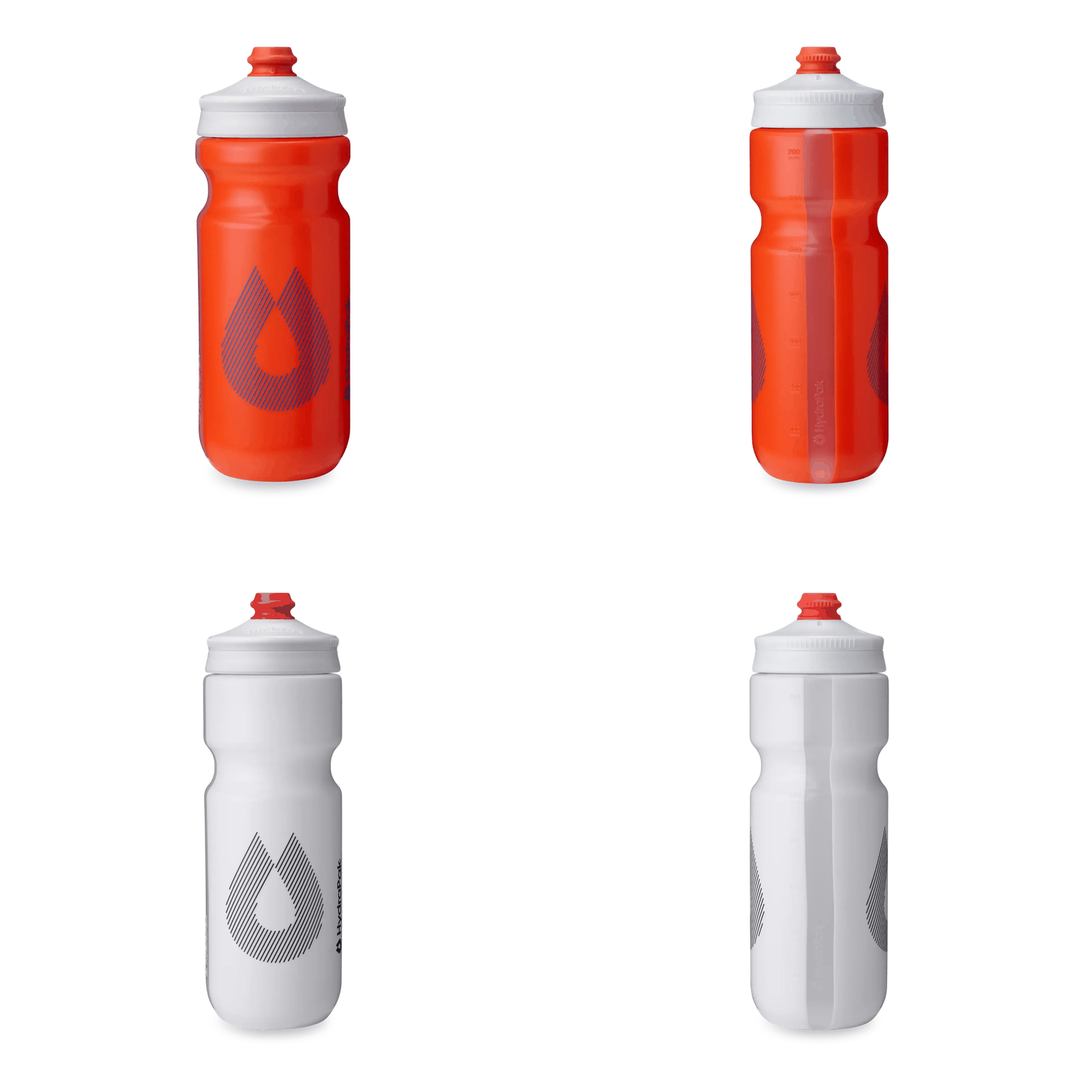
The redesigned squeeze bottle collection includes the Polar Surge, Polar Sport, and Breakaway models, with different options for road cycling, mountain biking, and other activities.
I have the Breakaway Surge 20oz/600ml two-pack in red and white for mountain biking. They're a completely different style of bottle from my Flux, made specifically for riding, which is exactly what I want on the trail.
HydraPak Breakaway Surge cycling bottles.Sustainability and Making Gear Last
HydraPak has developed several programs focused on reducing waste and keeping hydration equipment in use longer.
Its Gear Rehab program helps people clean and maintain their hydration equipment, while Sustainable Racing encourages event organizers to move away from disposable cups and toward reusable hydration options.
The company also launched Re_Pak, a recycling initiative that collects eligible used sports bottles and turns the plastic into durable composite construction materials.
Then there's the Beyond Lifetime Guarantee. HydraPak covers defects in materials and manufacturing for the lifetime of its products and offers replacement parts such as caps and bite valves.
These programs don't eliminate the environmental impact of making plastic hydration products, but they do show an effort to address what happens after those products are sold. Helping people maintain their gear, replacing small components, and finding ways to reuse materials are all steps worth paying attention to.
Why HydraPak Belongs in This Series
One of the reasons I started Outdoor Brands You Might Not Know, But You Should was to share the companies behind the gear I come across during my travels, especially the ones with interesting stories and thoughtful design.
HydraPak is a perfect example. I first noticed the company because I loved the way its flexible water bottle flattened as I drank from it. At the time, I had no idea how much influence HydraPak had across the outdoor industry or how many familiar brands were using its hydration technology.
Sometimes a product catches my eye for one small reason, and I end up learning there's a lot more behind it.
This article is part of my Outdoor Brands You Might Not Know, But You Should series, where I share outdoor companies that catch my attention through their products, history, design, and the people behind them.I'm Michele, and I write Overland Girl, where I share firsthand travel experiences across the American West — from desert landscapes and national parks to small towns layered with history like Ouray. My work blends movement, place, and the stories that shape them.Some posts may include affiliate links to products or services I use on the road. If you choose to purchase through those links, I may earn a small commission at no additional cost to you. It helps support continued travel and storytelling. I only link to items I personally use or would use myself.