Smith Method Pro MIPS Review: The Ski Helmet I Use
Why I ski in the Smith Method Pro MIPS, how it fits, and what I like about it after wearing it from the Midwest to the mountains out West.
Words by Michele Underwood | Photos by Michele and some from Smith
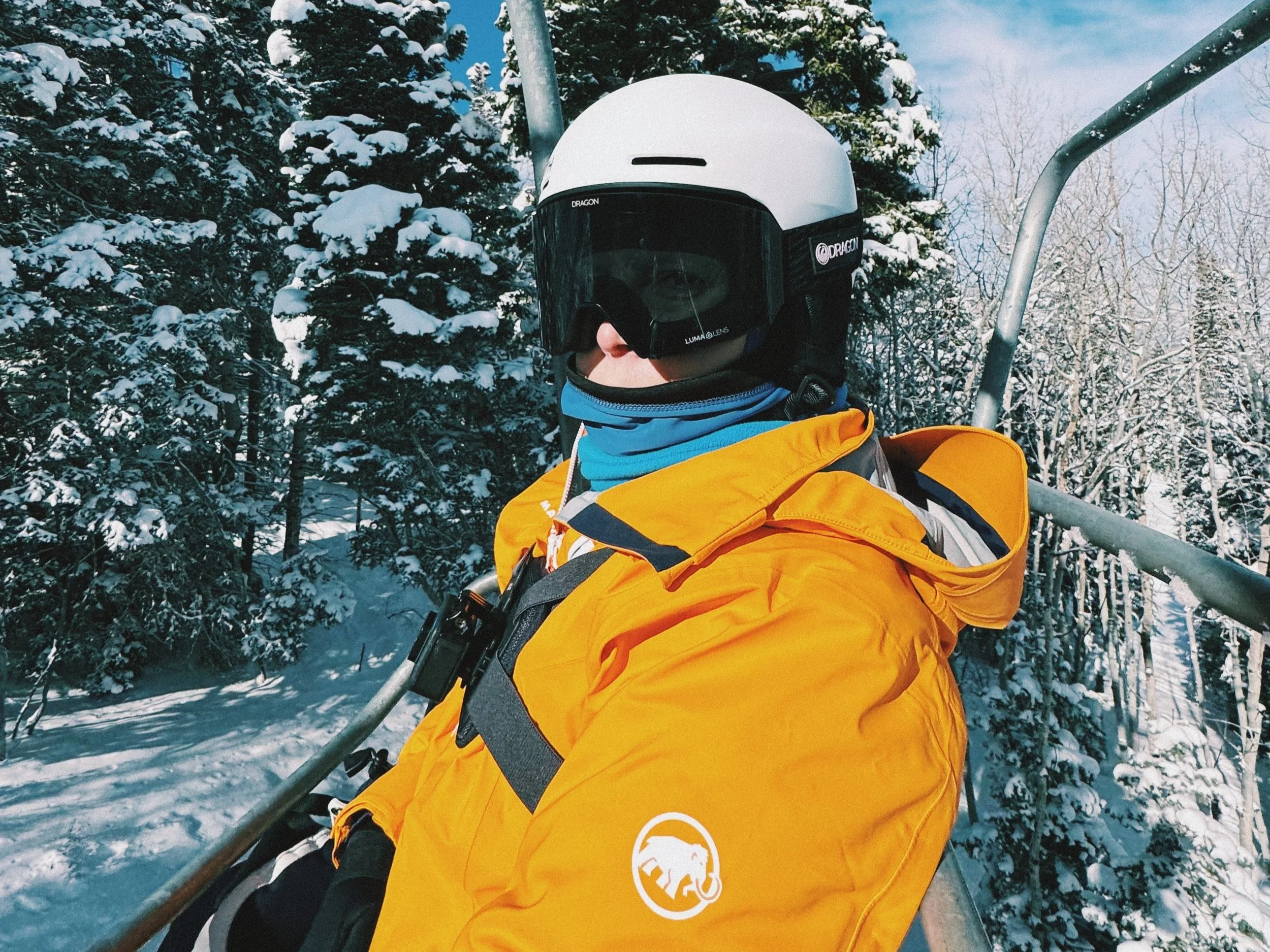
My Smith Method Pro MIPS with the Dragon RVX MAG OTG goggles I ski in.
I've worn Smith ski helmets for years, and right now the Smith Method Pro MIPS is the helmet I ski in. I also use Smith for my other sport helmets, including my full-face mountain bike helmet and road bike helmet.
I don't need a ski helmet loaded with features I'll never use. I want one that fits my head well, feels comfortable all day, works with my goggles, and has the safety technology I'm looking for.
The Method Pro does all of that without feeling bulky. I've worn it skiing cold Midwest days and powder days out West, and once it's on, I don't think about it much. That's probably one of the best things I can say about a ski helmet.
Why I Chose the Smith Method Pro MIPS
Fit is a big reason I keep coming back to Smith helmets. The Method Pro feels snug and secure on my head without creating pressure points. There's a micro-adjustable dial at the back that lets me fine-tune the fit, and I can reach back and adjust it without taking the helmet off.
I also like the low-profile shape. By the time I have goggles, a balaclava or hood, and everything else I need for the weather, I don't want my helmet adding more bulk.
For protection, the Method Pro combines Mips with Smith's Zonal KOROYD construction. Mips is designed to help reduce rotational motion from certain angled impacts, while KOROYD is the lightweight, energy-absorbing structure Smith uses in targeted areas of the helmet. The Method Pro is ASTM F 2040 and CE EN 1077:2007 Class B certified.
Smith also makes the Method Pro in a Round Contour Fit for rounder head shapes. I wear the regular Method Pro, and once I dial it in, the helmet stays put. I haven't had issues with pressure points after wearing it for hours.
How It Works With My Dragon Goggles
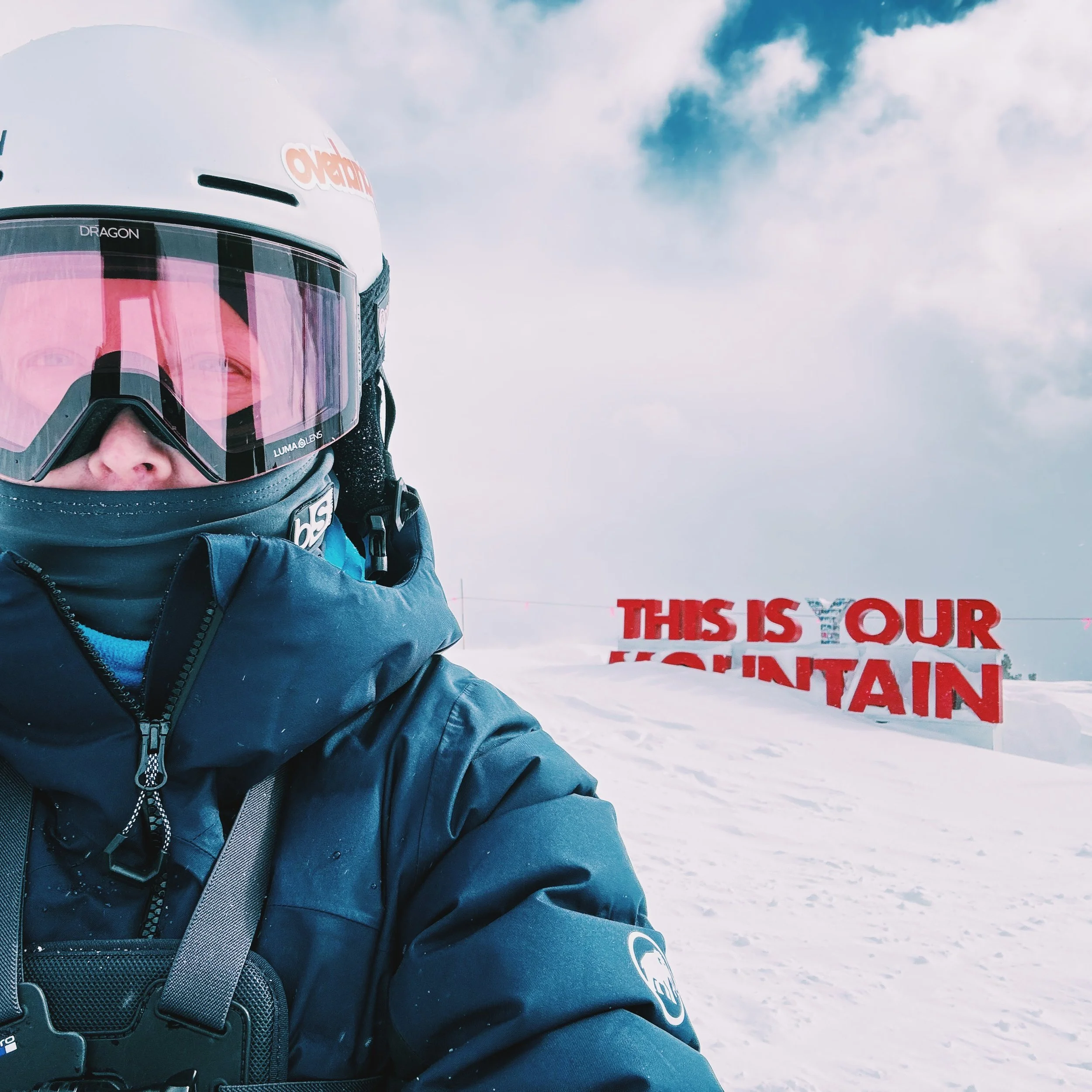
The Method Pro fits well with my Dragon goggles without leaving a gap across my forehead.
I don't wear Smith goggles with this helmet. I wear my Dragon RVX MAG OTG goggles, and they fit well with the Method Pro.
My Dragons sit naturally against the helmet without an annoying gap across my forehead. That matters because I don't want to wear the same brand of goggles and helmet just to get a good fit.
The Method Pro has eight fixed vents and Smith's AirEvac ventilation, which helps move warm air away from the goggles. I haven't wished for adjustable vents. The fixed ventilation has worked fine for the way I ski.
If you're curious about the goggles I pair with the Method Pro, you can read my Dragon RVX MAG OTG goggles review.
What I Like — and What I Would Change
The magnetic chin buckle is one of my favorite small details. I can operate it one-handed, even with ski gloves on.
The ear pads are removable, although I keep mine in because I want the warmth. They're also compatible with audio chips if you use them. The goggle strap lock is removable too. I wear my goggles over my helmet, so I leave it on.
The one thing to know is that the eight vents are fixed. You can't open and close them throughout the day. That hasn't bothered me, but if adjustable ventilation is something you like in a ski helmet, you don't get it with the Method Pro.
The Method Pro has lightweight in-mold construction, Mips, Zonal KOROYD, a micro-adjustable dial, eight fixed vents, AirEvac ventilation, a magnetic chin buckle, removable Snapfit SL2 ear pads, and a removable goggle strap lock.
Smith currently lists the Method Pro MIPS at $185.
Smith Method Pro MIPS vs. Method MIPS
The Method Pro and Method are similar, but there's one difference that matters to me: the fit system.
Both have Mips, Zonal KOROYD, eight fixed vents, and lightweight in-mold construction. The regular Method uses Smith's self-adjusting Lifestyle Fit system. The Method Pro has the micro-adjustable dial at the back, along with a magnetic chin buckle and Snapfit SL2 ear pads.
I'd choose the Pro again because I like being able to adjust the fit myself. It's a feature I use every time I put the helmet on.
Would I Buy the Smith Method Pro MIPS Again?
Yes. It fits me well, feels comfortable, works with my Dragon goggles, and doesn't feel bulky.
I don't need more from a ski helmet than that. It's the helmet I ski in and part of my Ski Kit, where I share all my ski gear.
I write Overland Girl, where I share firsthand travel experiences across the American West — from desert landscapes and national parks to small towns layered with history. My work blends movement, place, and the stories that shape them.Some posts may include affiliate links to products or services I use on the road. If you choose to purchase through those links, I may earn a small commission at no additional cost to you. It helps support continued travel and storytelling. I only link to items I personally use or would use myself.