RTIC vs. YETI: Do You Need to Spend More on a Cooler?
The RTIC 32 QT Ultra-Light and YETI Tundra 35 hold almost the same amount of ice, but the YETI costs $161 more. So what are you getting when you spend more?
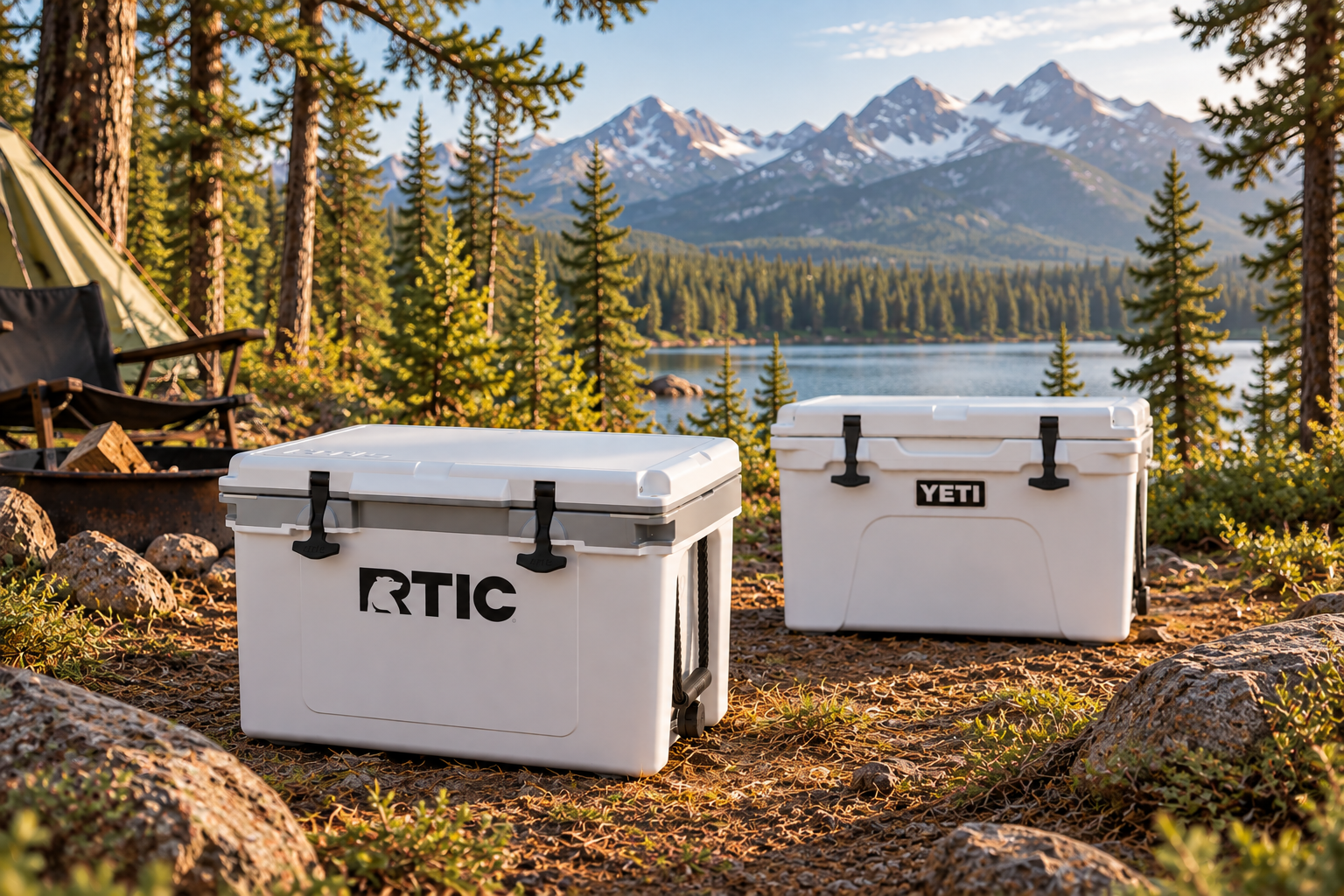
The RTIC 32 QT Ultra-Light and YETI Tundra 35 are similar-size, non-wheeled coolers, but there’s a big difference in price.
I've always thought of YETI as a brand that sets the bar for premium coolers. They're built to be tough, they're recognizable, and they're not cheap.
Then RTIC sent me its 32 QT Ultra-Light Cooler to review.
My brother used it throughout the summer at the lake, mostly filled with ice and drinks. It kept everything cold. That's what I wanted it to do, but at $159, it also got me thinking about how much you need to spend on a cooler to do that basic job. I wrote more about how we used it in my full RTIC 32 QT Ultra-Light Cooler review.
The YETI Tundra 35 makes an interesting comparison because these two coolers are closer than their names might suggest. The RTIC holds up to 30 pounds of ice, while YETI lists the Tundra 35 at 29 pounds. Both are non-wheeled hard coolers, but the YETI is $320 compared with $159 for the RTIC.
That's a $161 difference.
So what are you getting for the extra cost?
Disclosure: RTIC provided the 32 QT Ultra-Light Cooler to me for review. I have not personally used the YETI Tundra 35, so information about the YETI in this comparison comes from its published specifications.
What You Get When You Spend More
The biggest difference between these two coolers is how they're made.
The YETI Tundra 35 uses rotomolded construction, the heavy-duty construction YETI's Tundra line is known for. YETI lists the Tundra 35 as holding 39 cans without ice or 29 pounds of ice.
The RTIC 32 QT Ultra-Light takes a different approach. It's injection molded, which helps keep its empty weight down to about 13 pounds. It holds up to 48 cans without ice or 30 pounds of ice and has up to 2.5 inches of closed-cell foam insulation with a freezer-style gasket. RTIC rates it for up to five days of cold retention when following its cooling recommendations.
So this isn't a comparison between a small inexpensive cooler and a larger premium one. Their ice capacities are almost identical.
What you're paying more for with the YETI is different construction. Rotomolded coolers are made for durability, and that heavier-duty build is part of what you're paying for with the Tundra 35.
That doesn't mean the RTIC isn't a quality cooler. It's designed differently. The Ultra-Light is meant to give you the insulation and cold retention of a hard cooler without the weight of a heavier rotomolded design.
Which approach makes more sense depends on what you need from a cooler.
What Matters to Me in a Cooler
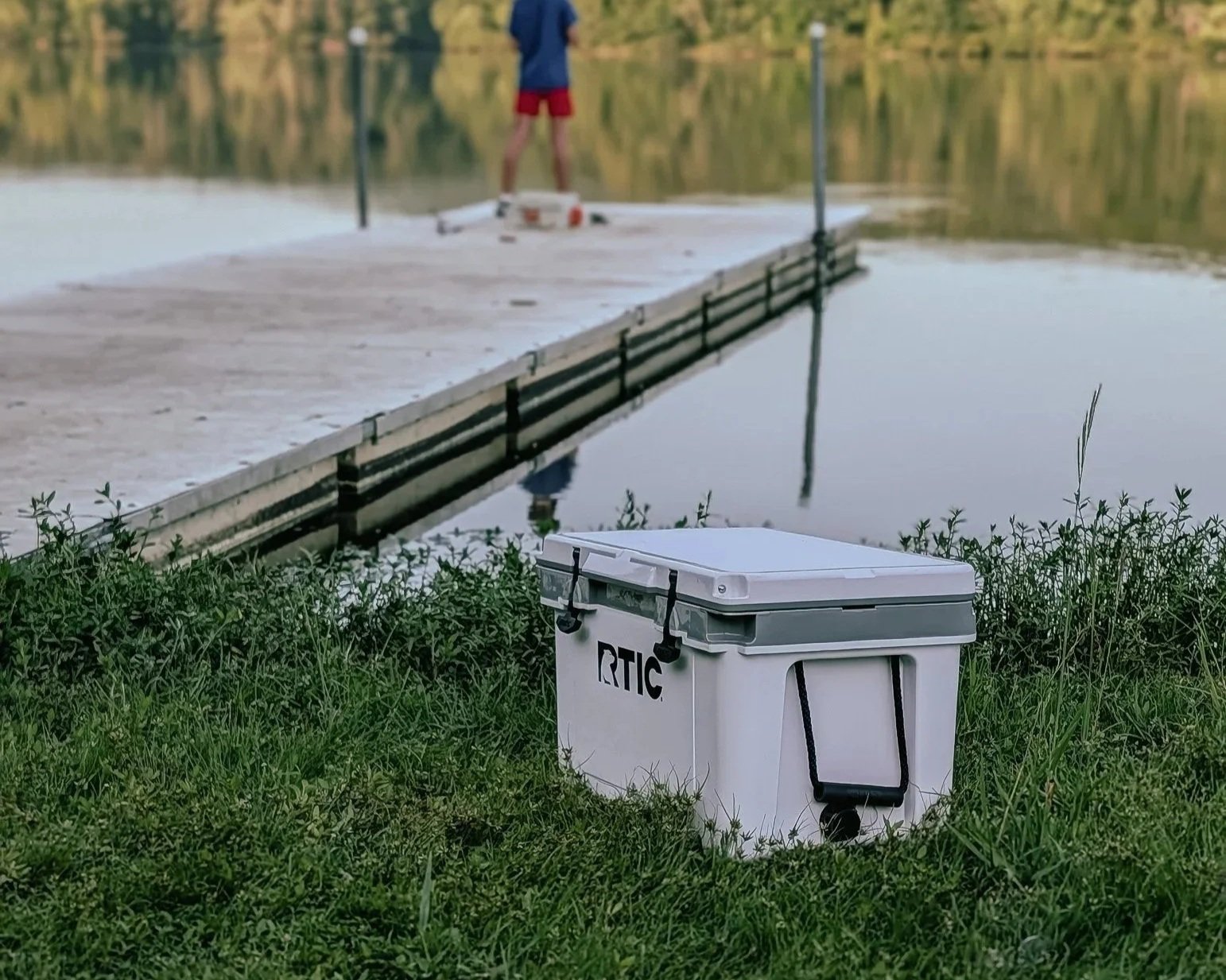
My brother used the RTIC 32 QT Ultra-Light throughout the summer for drinks and ice at the lake.
For the way we've used the RTIC, the biggest test has been much simpler.
Does it keep everything cold?
My brother used it throughout the summer at the lake, and it did. We haven't tried to keep ice in it for five days because we haven't needed to. It gets loaded with drinks and ice, goes to the lake and does its job.
The weight matters to me too. At about 13 pounds empty, the RTIC isn't already heavy before I start putting anything in it.
That's something I appreciate because I don't need the heaviest-duty cooler for the way I use one. I want something that's well made, easy enough to move around and keeps my food and drinks cold.
That doesn't make the heavier construction of the YETI unnecessary. For someone who is harder on gear, uses a cooler constantly or specifically wants rotomolded construction, it can make a lot of sense.
It's a different need.
Do You Need to Spend $161 More on a Cooler?
The YETI Tundra 35 and RTIC 32 QT Ultra-Light take different approaches to doing the same job.
The YETI is rotomolded, with the heavier-duty construction the Tundra line is known for. The RTIC is injection molded, which allows it to weigh less while still giving you the insulation and cold retention you expect from a hard cooler.
And from what we've experienced with the RTIC, spending less hasn't meant giving up what matters to us.
My brother used it throughout the summer at the lake, mostly filled with drinks and ice, and it kept everything cold. I'll be using it at Auburn tailgates this fall, where I'll be asking it to do much the same thing.
That's where I think the $161 difference becomes a personal decision.
If you want a rotomolded cooler and the heavier-duty construction that comes with it, the YETI gives you that. If you don't need that type of construction, the RTIC gives you nearly the same ice capacity in a much lighter cooler for less money.
For the way we use a cooler, I haven't seen anything from the RTIC that makes me feel like I'm settling by spending less.
It's a matter of deciding how much cooler you need.
I write Overland Girl, where I share firsthand travel experiences across the American West — from desert landscapes and national parks to small towns layered with history. My work blends movement, place, and the stories that shape them.

Some posts may include affiliate links to products or services I use on the road. If you choose to purchase through those links, I may earn a small commission at no additional cost to you. It helps support continued travel and storytelling. I only link to items I personally use or would use myself.