Field Guides Every Camper Should Keep in the Car
Simple Field Guides for
Birding, Trees, Mushrooms,
and Weather
Words by Michele Underwood
What Is a Field Guide?
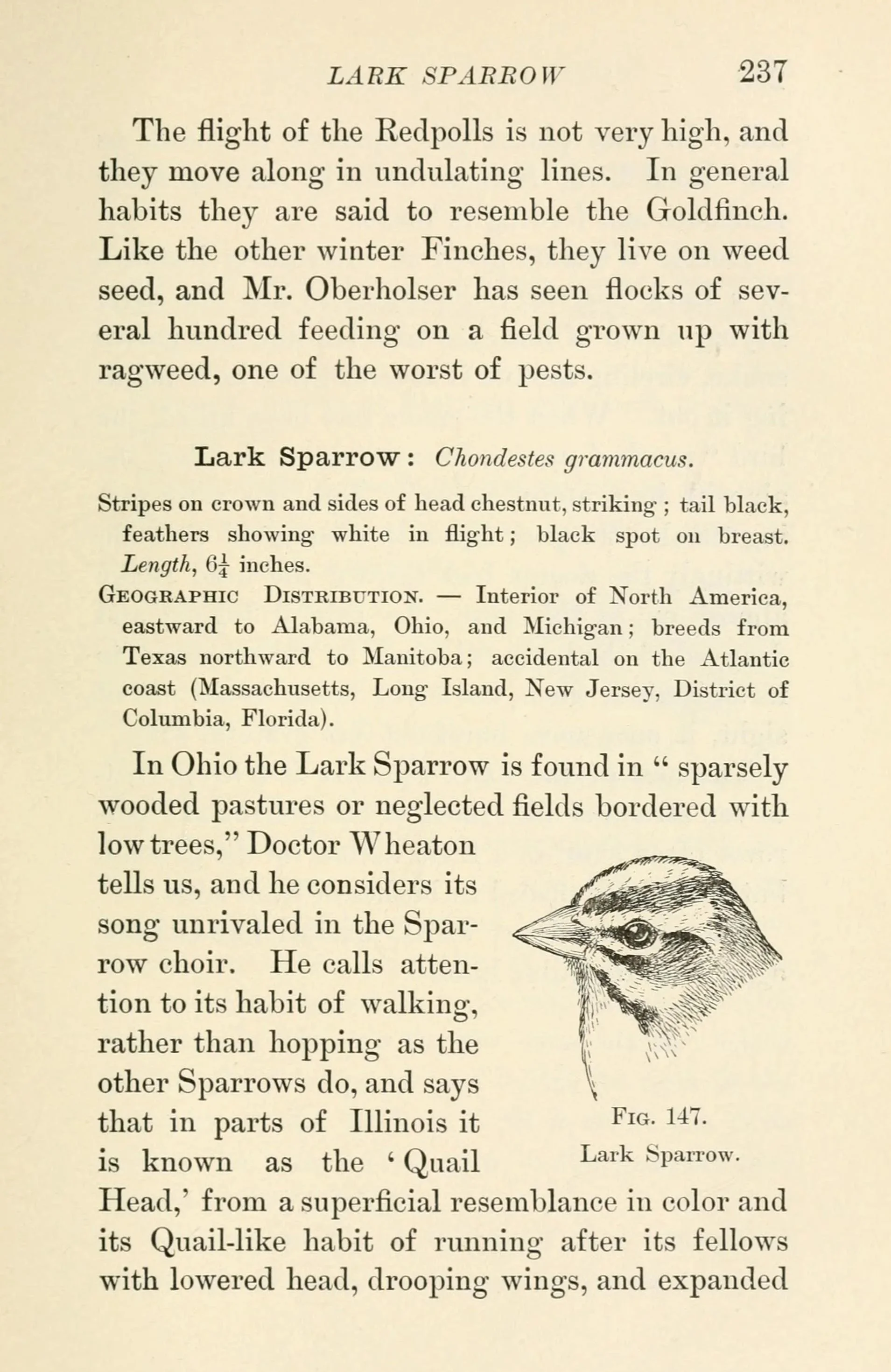
A vintage field guide page showing the Lark Sparrow — clear markings, plain language, built for real observation.
A field guide is a small, topic-specific book that helps you identify what you’re seeing outdoors — birds, trees, mushrooms, clouds, tracks, and more. It’s not a textbook or a nature encyclopedia. A good field guide shows you exactly what to look for, with clear illustrations or photos that let you make quick comparisons in the field.
Why Keep Field Guides in Your Car When Camping?
A lot of “camping essentials” lists talk about gear, but a small stack of field guides can be just as helpful. They answer questions that always come up outside:
What bird keeps calling in the morning?
What tree are we parked under?
Are those mushrooms safe to touch?
Will this cloud layer turn into rain?
You don’t need experience or special skills. Field guides help you make sense of the place you’re camping in—without relying on cell service.
Why Not Just Google It?
Signal drops. Screens are hard to see in sunlight. And most search results forget where you actually are. Field guides are built for location, size, and season — the things that matter at camp.
Instead of guessing from random photos online, you get:
regional info (what exists where you’re camping)
clear illustrations made for identification, not aesthetics
side-by-side comparisons of look-alike species
offline reliability with no glare, no loading, no ads
They don’t replace your phone. They just work better outside.
Best Bird Field Guide for Camping
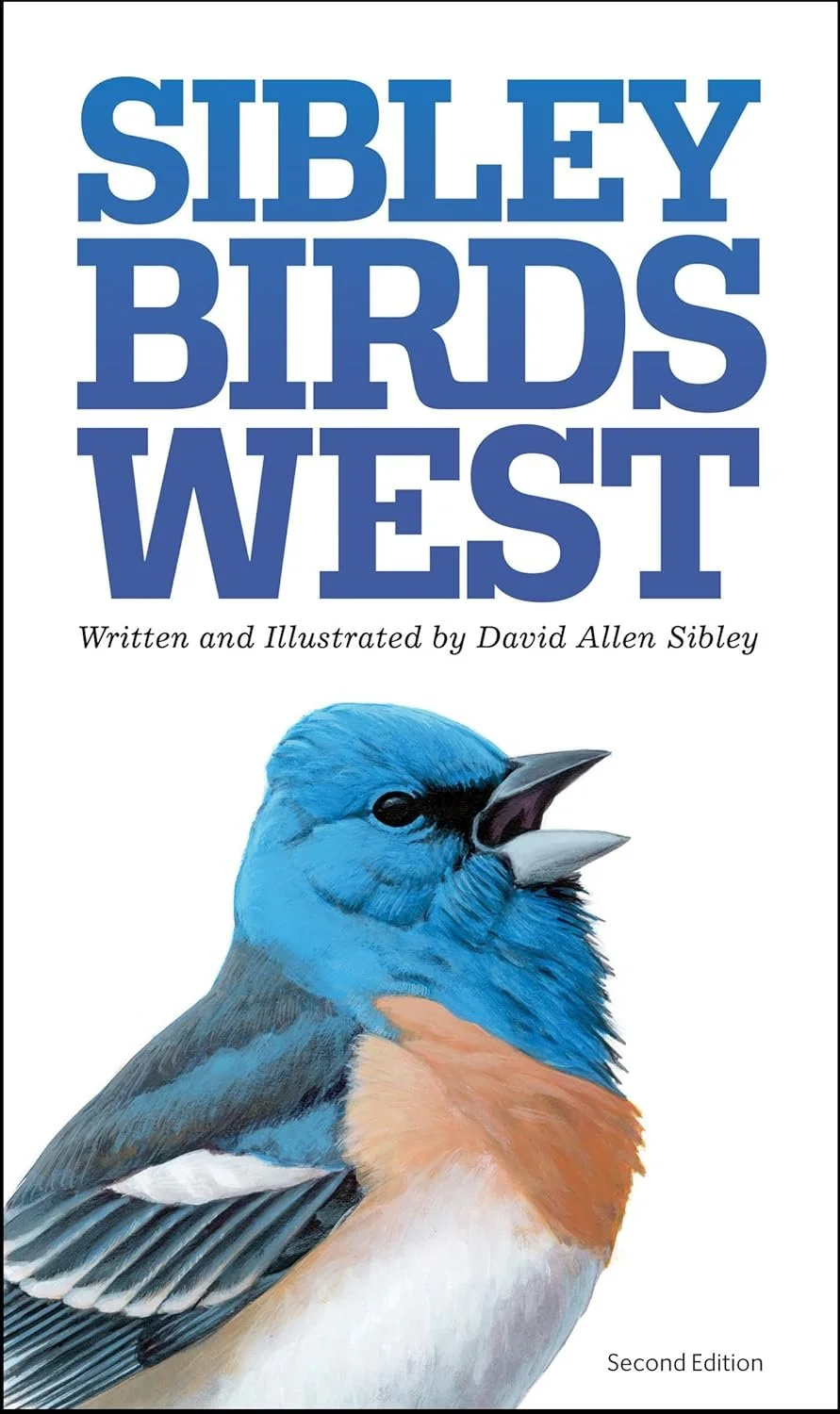
The Sibley Field Guide to Birds of Western/Eastern North America
Whatever it is, the way you tell your story online can make all the difference.
Why it works:
Sibley focuses on birds you actually notice around campsites, lakes, and state parks—no rare species overwhelm here. The illustrations make it easy to compare markings and colors quickly, so you’re not flipping pages forever.
Good for campers who:
Hear morning bird calls near the tent
Camp near forests, lakes, or rivers
Want a lightweight guide that fits in a glovebox or seat pocket
Why it’s reliable:
Sibley’s illustrations highlight the exact markings to look for in the field—simple, straightforward, and trusted.

National Audubon Society Trees of North America
Why it works:
Trees can be hard to identify if you’re only looking at leaves. This guide uses bark photos and texture to help you identify trees without stepping off the trail, picking branches, or relying on perfect light.
Good for campers who:
Want to know what they’re sleeping under
Camp in different regions and want to compare forests
Notice changes in trees across seasons
Why it’s reliable:
Bark ID helps at night around the fire when leaves aren’t visible, and it works year-round.
Best Mushroom Guide for Campsites
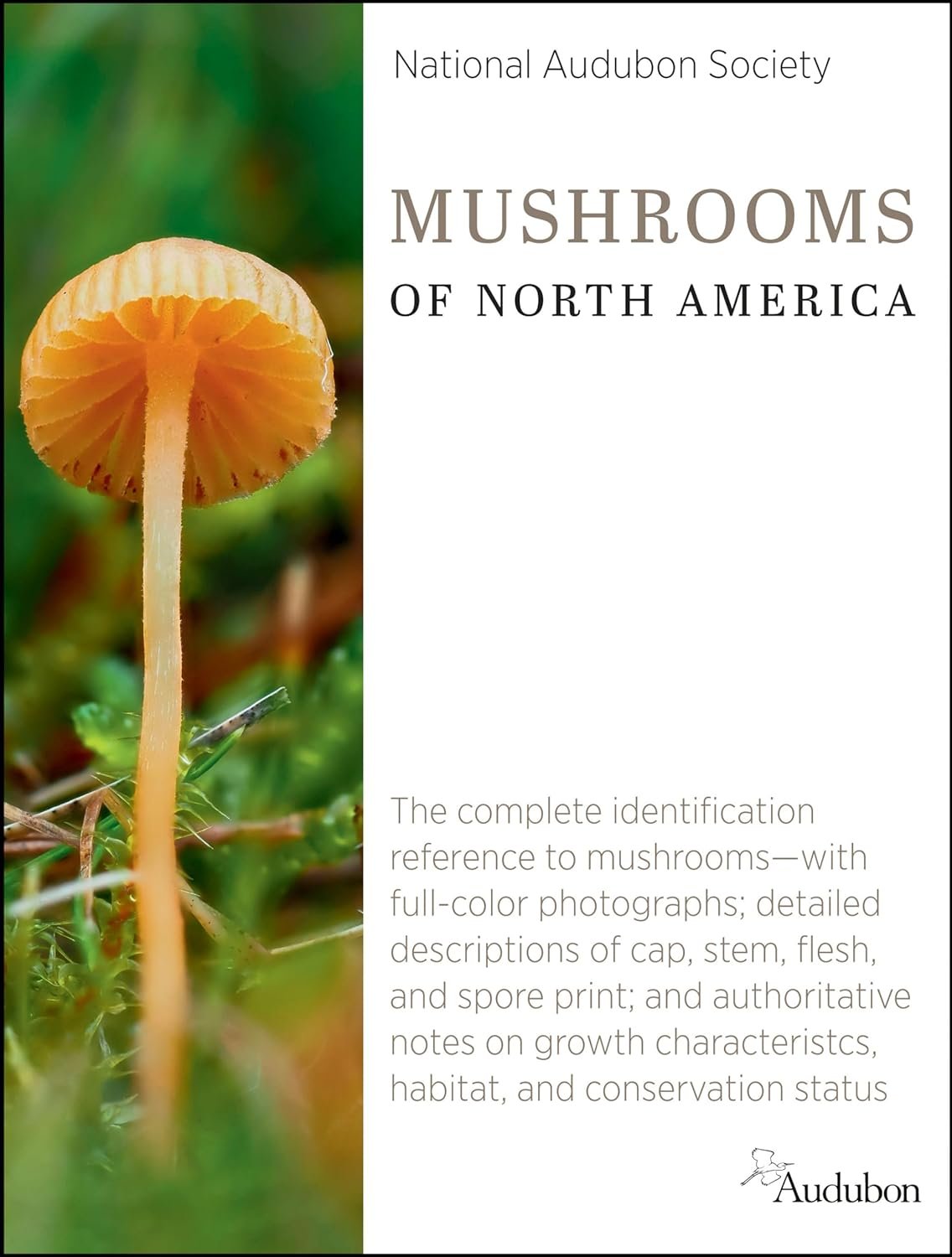
National Audubon Society Field Guide to Mushrooms of North America
Important note:
This guide is for curiosity and safety, not cooking or foraging.
Why it works:
Mushrooms show up all over campsites—on logs, near fire rings, after rain. This guide uses large, clear photos to show what’s common in each region, along with explicit warnings about toxic varieties.
Good for campers who:
Spot mushrooms during hikes or near the tent
Camp in wooded or damp areas
Want to know what’s safe to touch
Why it’s reliable:
Audubon photos are straightforward and accurate—no guessing, no scientific jargon required.
Best Weather Guide for Campers
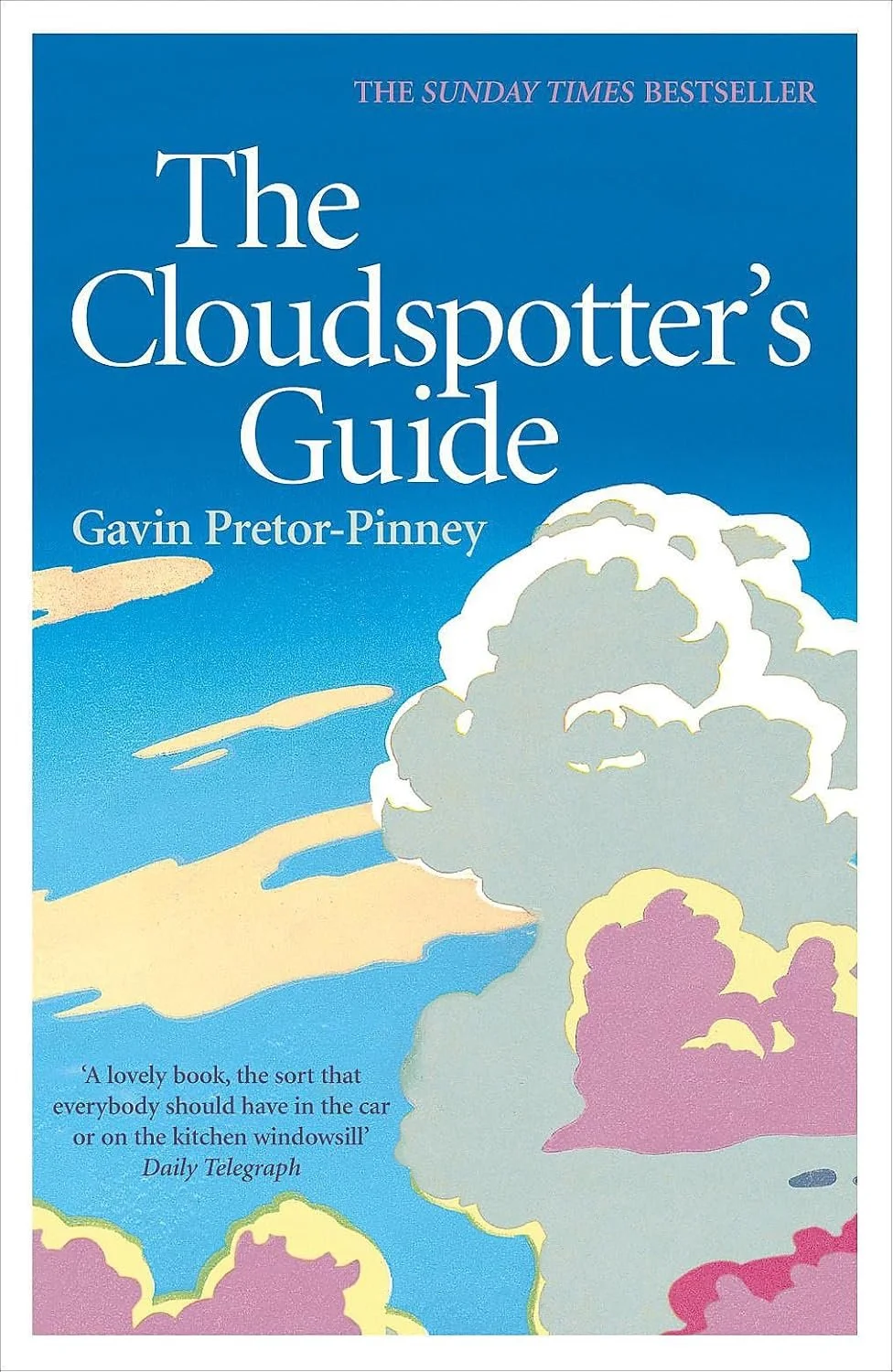
The Cloudspotter’s Guide
Why it works:
Weather changes quickly at camp, especially near lakes and mountains. This guide helps you read clouds and wind without relying on an app or perfect service.
Good for campers who:
Don’t always have cell service
Use tarps, hammocks, or open shelters
Want to know if they should pack up early or wait out it out
Why it’s reliable:
Cloud shapes can tell you a lot: incoming storms, when the wind will pick up, or when the rain will fade. It’s a practical skill, not trivia.
Frequently Asked Questions
Do I need field guides if I can use Google?
Field guides show region-specific information and clear illustrations without cell service or distracting search results. They’re faster outdoors and easier to compare against what you’re actually seeing, especially in bright light or low signal.
Which field guides are best for car camping?
For most campers, a small set that covers birds, trees, mushrooms, and weather is enough. That’s why I like one bird guide, one tree guide, one mushroom guide (for safety and curiosity, not foraging), and one weather guide that helps you read clouds and changing conditions.
Notice Where You Actually Are
Field guides don’t make camping more complicated. They make it more specific. A bird isn’t just a bird anymore. A tree isn’t just shade. A cloud isn’t just weather rolling in.
When you know what you’re looking at, the campsite becomes its own place — not just a spot on the map.
Field guides help you notice where you actually are. And that’s part of the fun.
Michele Underwood writes Overland Girl, where she shares gear she uses on real trips—from the Northwoods of Wisconsin to the Ozarks. She values quality and craftsmanship in everything she buys, from outdoor gear to everyday clothes and furniture. Her choices may seem expensive to some, but she believes in buying less and buying better. Longevity matters, both in function and in style. Her couch is five years old and still sold at Design Within Reach—that’s the kind of timelessness she looks for.
For this book series, some links are Amazon affiliate links, which means she may earn a small commission if you buy through them. It doesn’t cost you anything extra, and it helps support her work. She only recommends gear and books she’d feel good bringing on her own trips.